
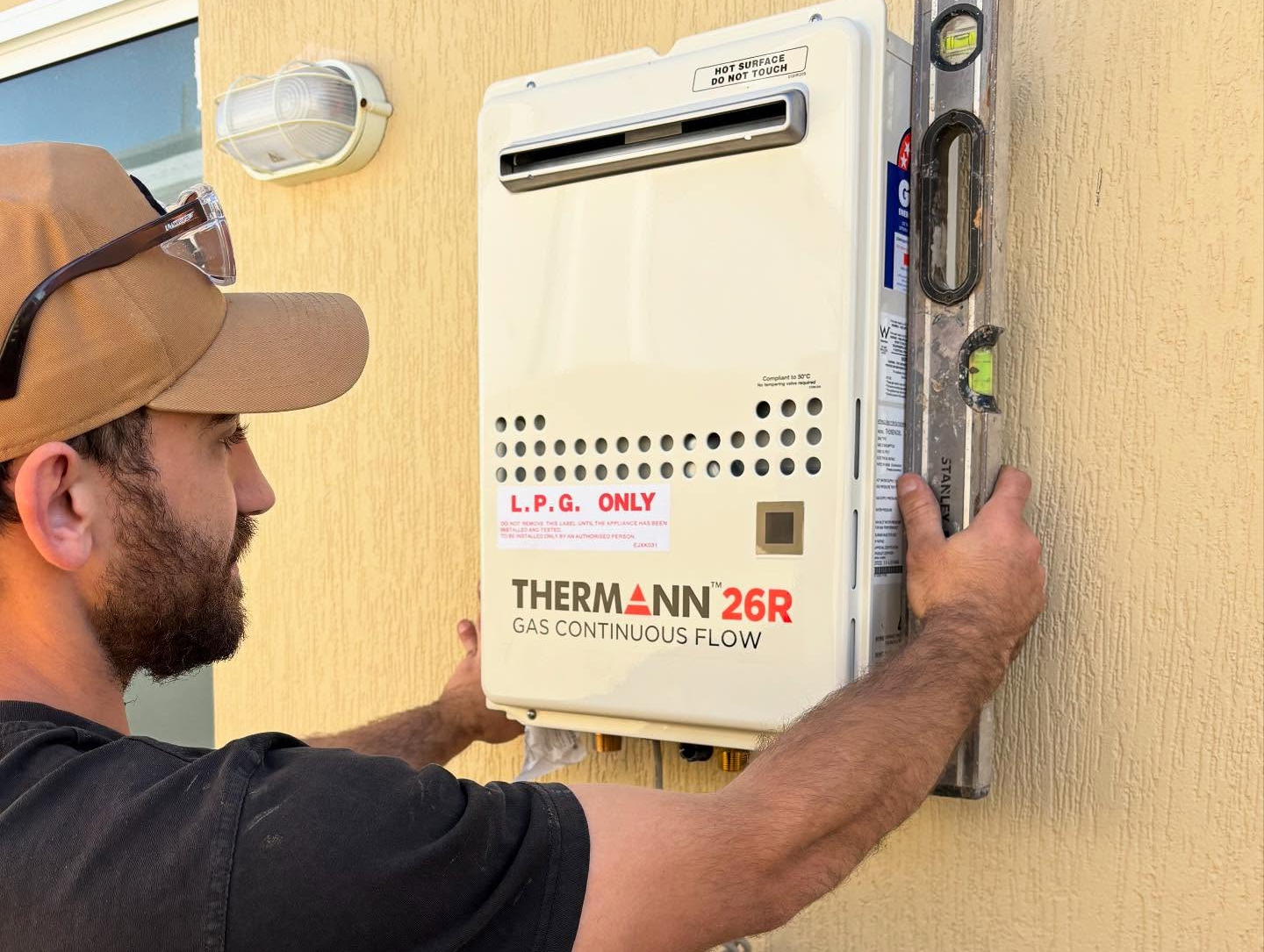
Imagine stepping into a chilly North Sydney morning with no hot water brrr ! We’ve all been there, cursing the cold shower. Hot Water Systems play an essential role in keeping your home or business comfortable year-round. Choosing the right system and maintaining it properly improves reliability, performance, and long-term efficiency while ensuring a consistent supply of hot water. Whether you’re shivering because of a failed unit or shopping for an upgrade, this guide walks you through everything: types of hot water systems, installation and repair tips, costs, efficiency, and local incentives. By the end you’ll know which solution is right for your home or business in North Sydney, and why Seal Approved Plumbing is ready to help keep your showers steamy.
Why Hot Water Matters in North Sydney
North Sydney’s climate is mild, but hot water remains an everyday essential, especially during cooler months. Heating water accounts for a significant portion of household energy use, so choosing an efficient system can help reduce energy consumption. Older Hot Water Systems may become less reliable over time, leading to leaks or inconsistent performance. Upgrading through a professional Hot Water Replacement service to a modern heat pump or solar unit can improve efficiency, reliability, and environmental performance while potentially qualifying for available NSW Government incentives.
Generally, be on the lookout for these signs you need attention: no hot water (the plumber’s nightmare), strange noises, rusty water, or leaks around the tank. If your Hot Water System is over 10 years old and experiencing repeated issues, a professional assessment can help determine whether Hot Water Repairs or a complete Hot Water Replacement is the most practical long-term solution. In North Sydney, licensed plumbers like ours will inspect your unit and give honest advice. Sometimes a quick fix is all you need, but beyond 10-12 years a shiny new, efficient system might be wiser.
Types of Hot Water Systems
Sydney homes use several main system types, each with pros and cons. Pick the one that fits your house, usage and budget. Here’s a quick overview:
Electric Storage (Tank) Systems: These are the familiar tanks, often in a laundry or roof cavity. They heat water with an electric element (like a big kettle) and keep it hot. Hot Water System Installation for electric storage units is generally straightforward, requiring an electrical connection and professional setup. These systems remain a popular option for many households due to their reliability and ease of installation. Many households with solar panels run these on off-peak power for savings. Lifespan is about 8 to 12 years. Great for smaller families or where gas isn’t available, but be prepared for higher energy bills if you’re a big hot-water user.
Gas Hot Water Systems: These come in two flavors. Traditional gas storage works like an electric tank but with a gas burner; newer continuous flow (instantaneous) gas systems heat water on demand with no tank (goodbye running out of hot water!). Gas Hot Water Systems require access to natural gas or LPG and are valued for their rapid heating performance and ability to deliver reliable hot water for busy households. But they heat quickly and usually cost less to run than electric. They’re common in larger homes or anywhere “never-ending” hot water is needed. Efficiency can vary (up to 80%+ for top models), and a tanked gas system lasts about 10 to 15 years. If you have a big family and want powerful showers, gas is often the winner just beware the blue flame inside!
Solar Hot Water Systems: Think of these as your roof doing some of the work. Solar heaters use rooftop collectors (tubes or panels) plus a storage tank to heat water with sunshine. Solar Hot Water Systems are among the most environmentally friendly options available, reducing reliance on grid energy and supporting sustainable Residential Hot Water Solutions. Most systems include an electric or gas booster for cloudy days. Solar units often last 15 to 20 years, making them a long-term win for eco-friendly savings. In sunny Sydney summers they really shine, though performance dips a bit in winter. If you’re looking to reduce emissions and enjoy “free” hot water from the sun (especially with government incentives), solar is a solid pick.
Heat Pump Hot Water Systems: These are the new high-efficiency champs. A heat pump is like a reversed fridge: it extracts heat from the outside air and dumps it into the water. The key is that it uses only about 30% of the electricity an old-style storage tank needs. Heat pump Hot Water Systems use advanced technology to deliver highly efficient performance and are becoming an increasingly popular choice for homeowners seeking modern Residential Hot Water Solutions, significantly higher than a basic system. But once running, their ongoing energy consumption is significantly lower than traditional electric storage systems, helping reduce household running costs thanks to their 300 to 400% efficiency. They’re quieter than ACs now, and store hot water in a tank like an electric heater. Heat pumps also tend to last 10 to 15 years. In North Sydney’s moderate climate, heat pump Hot Water Systems provide excellent performance and dependable operation throughout the year. making heat pumps an attractive long-term solution, especially if you use solar power on the side.
Each type has its niche. Every type of Hot Water System offers unique advantages. Electric units are simple and dependable, gas systems provide rapid heating, solar options support sustainability, and heat pumps deliver exceptional energy efficiency. (We’ll compare them side-by-side next.)
Comparing Hot Water Systems
Replace the “Upfront Cost (Installed)” and “Running Cost (Energy)” columns with:
| Type | Initial Investment | Operating Cost | Efficiency & Output | Typical Lifespan | Best For… |
| Electric Tank | Lower | Higher | Reliable storage heating | ~8–12 years | Smaller homes or properties without gas |
| Gas (Storage/Continuous Flow) | Moderate | Moderate | Fast heating and strong performance | ~10–15 years | Larger households and continuous hot water demand |
| Solar + Tank | Higher | Very Low | Uses renewable solar energy | ~15–20 years | Eco-conscious homes with good sun exposure |
| Heat Pump | Higher | Low | Highly energy efficient | ~10–15 years | Households focused on long-term efficiency |
| Instant Electric | Moderate | Higher | On-demand heating | ~10–15 years | Specific applications with lower hot water demand |
This table highlights the trade-offs. Each category of Hot Water Systems offers different benefits depending on household size, usage patterns, available utilities, and efficiency goals. A licensed professional can recommend the most suitable option for your property. Remember, a good installer sizes the unit to your family’s hot-water habits, so you’re not left with lukewarm surprises (for example, a two-shower morning rush might need a bigger tank or a continuous flow system to avoid pressure drops).
Hot Water System Installation and Replacement
When it’s time to install or replace a unit in North Sydney, always use a licensed plumber (and licensed electrician for electrical components). NSW law is strict: “you need a licence or certificate to do any plumbing, draining or gasfitting work, regardless of the cost”. In other words, no DIY for your hot water you’ll need certified pros for safety and compliance. Seal Approved Plumbing’s team is fully licensed, so we handle permits, plumbing and electrical work, and ensure the installation meets all standards.
Choosing the right size is key. As a rule of thumb, plan on ~50 L of hot water per person per day (accounting for showers, laundry, etc.). But lifestyle matters too if your teenagers all shower at once, you might need a larger or instantaneous system. If your existing unit is showing signs of rust, leaks, or declining performance, Hot Water Replacement may provide a more reliable and efficient solution than continuing to use an aging system. Experts suggest replacing storage systems about every 8 to 10 years to avoid leaks and inefficiency. In fact, one plumbing source advises that if your unit is over 10 years old and frequently breaking down, a new system makes more sense than endlessly patching the old one.
The replacement process involves draining and removing the old heater, possibly modifying pipework, and installing the new unit with fresh insulation on the tank and pipes. We make sure clearance around the heater meets regulations, and that any gas connections are tested. Once installed, your plumber will check it heats to at least 60°C (per Australian Standard for water storage). (This hot storage temperature kills harmful bacteria; delivery to taps is then mixed down to a safe ~50°C to avoid scalds.) We’ll also ensure a tempering/mixing valve is fitted if needed, as mandated by code. After setup, a quality installer will run through operation and safety — and give you tips on getting the most from your new system.
Hot Water System Repairs and Maintenance
Hot water systems generally hum along quietly, but when something goes wrong, it needs prompt attention. Common repair issues include faulty heating elements or thermostats (in electric tanks), burner or ignition problems (in gas units), leaking valves or tanks, and sediment buildup. Our licensed plumbers diagnose these quickly. For example, if your water is lukewarm or fluctuates, it may be a failed element or thermostat. If the pressure relief valve drips, it could be over-pressurization. Many of these problems are repairable for instance, replacing an element or fixing a gas pilot light. We provide honest advice on whether Hot Water System Repairs or Hot Water Replacement is the most appropriate option, ensuring you receive a reliable solution tailored to your property’s needs.
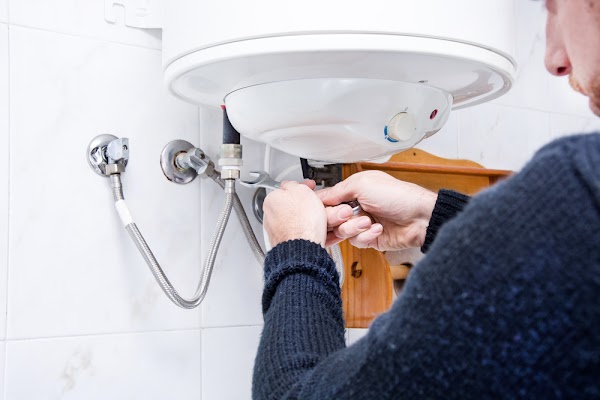
Regular maintenance keeps your system running longer. Have a plumber inspect it at least once a year to catch issues early (the NSW plumbing code even suggests checking your hot water system annually). This includes flushing sediment from storage tanks, testing valves (the tempering valve should be tested or replaced every 5 years to ensure safety), and checking for leaks or corrosion. Keep the area around the heater clear and pipes insulated to reduce heat loss. If your hot water has an anode rod (inside enamel-coated tanks), that should be checked periodically too, especially in Sydney’s moderately hard water, to prevent rust.
If you notice warning signs, sudden drops in hot water, strange noises from the tank, rust- colored water, or wet spots call for help. Ignoring leaks or heating failures can flood your laundry or cause major water damage. At Seal Approved Plumbing, we provide prompt Hot Water System Repairs and Emergency Hot Water Repairs for North Sydney homes, restoring reliable hot water as quickly as possible. Our technicians arrive ready with spare parts for common brands, so many repairs are completed on the spot, getting your hot water back quickly. And if replacement is inevitable, we’ll fit you with a new system seamlessly.
Emergency Hot Water Repairs
Sometimes the worst happens at the worst time: no hot water at dawn, or a major leak flooding the floor. In those emergencies you need fast help. Typical scenarios include a burst tank, gas leaks (smell gas or hissing), or electrical faults that trip your RCD. If your system just sputters, try resetting any breakers or gas meters, but don’t hesitate to turn off power/gas to the heater and call us immediately if it’s still kaput.
Seal Approved Plumbing specialises in Emergency Hot Water Repairs, offering 24/7 assistance throughout North Sydney for burst tanks, leaks, unexpected breakdowns, and urgent hot water issues we literally live up to our name. In North Sydney and surrounding suburbs, our team will rush over whenever (yes, even at night) to troubleshoot and often fix it on the spot. Whether it’s replacing a valve, patching a leak, or scoping a new temporary heater, we’ll get warm water flowing again quickly. We also help with temporary solutions (like installing a portable electric heater) if needed until a full fix. In short, we’ve got your back when your hot water system leaves you cold.
Residential vs Commercial Hot Water Solutions
Most of the above applies to homes, but businesses have their own hot-water needs. A cafe or restaurant might use hot water constantly for cleaning, requiring a larger-capacity system (or multiple units) and a commercial-grade booster. Gyms or apartment buildings often use circulation loops or holding systems to ensure instant hot water at every tap. Commercial Hot Water Systems are designed to handle higher usage demands and often include larger storage capacities or specialised equipment to support businesses such as restaurants, gyms, offices, and apartment buildings, with stricter maintenance schedules and energy requirements. If you run a business in North Sydney, it pays to consult a specialist: we size up the peak demand (how many showers, sinks, appliances run simultaneously) and recommend robust solutions often stainless steel tanks and dual-element or multi-boiler setups.
Residential Hot Water Solutions are tailored to suit household size, daily usage, and available utilities, ensuring dependable performance and an adequate supply of hot water for everyday living. For apartments, continuous flow gas heaters are popular because of space-saving and endless hot water (though sometimes needing an electrical supply). For houses with solar panels, an electric heat pump often pairs well with rooftop solar to maximize “free” hot water. In all cases, local councils and building codes may have extra rules for energy efficiency (sometimes requiring a minimum Star rating), so a qualified plumber will make sure your system ticks all boxes.
Energy Efficiency and NSW Rebates
Big trend alert: The future of hot water is electric. Research from ARENA (Australia’s renewable energy agency) shows that by 2030, gas hot water systems will no longer be cheapest to run, in fact they’ll be the most expensive. Electric heat pumps and even traditional electric systems (when fed by rooftop solar) are cutting ahead on price. Heat pump Hot Water Systems are recognised for their high efficiency and reduced electricity consumption compared with many traditional storage systems.
To encourage energy-efficient upgrades, the NSW Government’s Energy Savings Scheme offers incentives for eligible hot water system replacements. Homeowners who switch to approved heat pumps or other qualifying energy-efficient systems may be able to access available rebates or discounts through registered installers. By choosing an approved model and using a licensed professional, you can improve your home’s energy efficiency while taking advantage of government-supported programs. Many households have also reported noticeable reductions in energy use after upgrading to modern heat pump technology.
On top of rebates, modern units themselves are much more efficient than old ones. All new water heaters must meet the national MEPS energy standards, meaning they waste less heat. Plus, you can often feed your heat pump or electric heater from rooftop solar panels for essentially free hot water on sunny days. When sizing a new system, we factor in all this: roof orientation (solar pump panels should face north with minimal shade), climate, and your electricity plan (off-peak vs solar feed-in). Choosing the right Hot Water System today helps improve comfort, supports energy efficiency, and provides dependable performance for years to come and a smaller carbon footprint for Sydney.
Safety, Standards and Regulations
Hot water safety is paramount. Australian standards require hot water stored at no less than 60°C to kill legionella bacteria, while delivery to taps should not exceed about 50°C for safety. This is managed via a tempering valve that blends in cold water before it comes out of your shower or tap. When we install a system, we ensure all valves and piping comply with AS/NZS 3500.4 (the Plumbing Standard for hot water) and local building codes.
A quick safety checklist: a licensed plumber should do all plumbing work (it’s the law in NSW). Check your tempering valve every few years if it’s old or faulty, replace it. Test your tank’s pressure relief valve occasionally (lift the lever a burst of water should flow, showing it’s not stuck). Look for rust or leaks on the tank exterior. And yes, every hot water installation in New South Wales requires final certification by a qualified plumber (and electrician for electric parts) so that the system is safe and compliant.
By following these rules, you stay safe and avoid nasty fines. At Seal Approved Plumbing we carry all necessary licenses and insurance, and we inspect everything. You can rest easy knowing your new hot water system will be fitted right with no shortcuts.
Conclusion
In North Sydney, hot water is a daily essential from steamy coffee to post-yoga hot showers. We’ve covered the full spectrum: types (electric, gas, solar, heat pump), costs and lifespans (roughly 10 to 15 years for most, with tankless and solar often longer), installation and repairs (only licensed plumbers should handle these), and energy efficiency (it pays to go green with rebates and new technology). The key takeaways? Choose a system sized to your needs, have it installed by a pro, and maintain it annually. If your existing Hot Water System is aging or experiencing recurring problems, consider Hot Water Replacement to improve reliability, performance, and energy efficiency.
At Seal Approved Plumbing, we live and breathe hot water solutions for Sydney-siders. From urgent repairs (yes, we do 24/7 emergency calls when your heater fails) to expert advice on the best system for your home or business, our licensed team makes the process smooth and worry-free. Ready for reliable, efficient hot water? Contact Seal Approved Plumbing today for a free quote. We’ll help you pick and install the perfect system so you never have to dread a cold shower again.
FAQs
How do I know if I should repair or replace my hot water system?
If your hot water system is over 10 years old, frequently breaks down, or shows signs of rust or leaks, replacement may be the better option. Minor issues on newer units can often be repaired. A licensed plumber can assess the condition and recommend the most practical solution.
What type of hot water system is best for my North Sydney home?
The best system depends on your household size, energy preferences, and available utilities. Gas, electric, solar, and heat pump systems all have unique benefits. A professional assessment can help you choose the most suitable and energy-efficient option.
How long does a hot water system installation take?
Most Hot Water System Installation projects can be completed within a day, although the exact timeframe depends on the type of system being installed and whether any plumbing or electrical modifications are required.
What should I do if I have a hot water emergency (e.g. no hot water)?
Start by checking your power supply or gas connection and look for any obvious issues. If the problem persists or you notice leaks, switch off the unit if it’s safe to do so and contact an emergency plumber promptly to prevent further damage.
Do I need a licensed plumber or electrician to install or repair my hot water system?
Yes. Hot water systems should always be installed and repaired by qualified professionals to ensure they meet Australian safety standards and local regulations. Using licensed tradespeople also helps protect your warranty and ensures safe operation.
