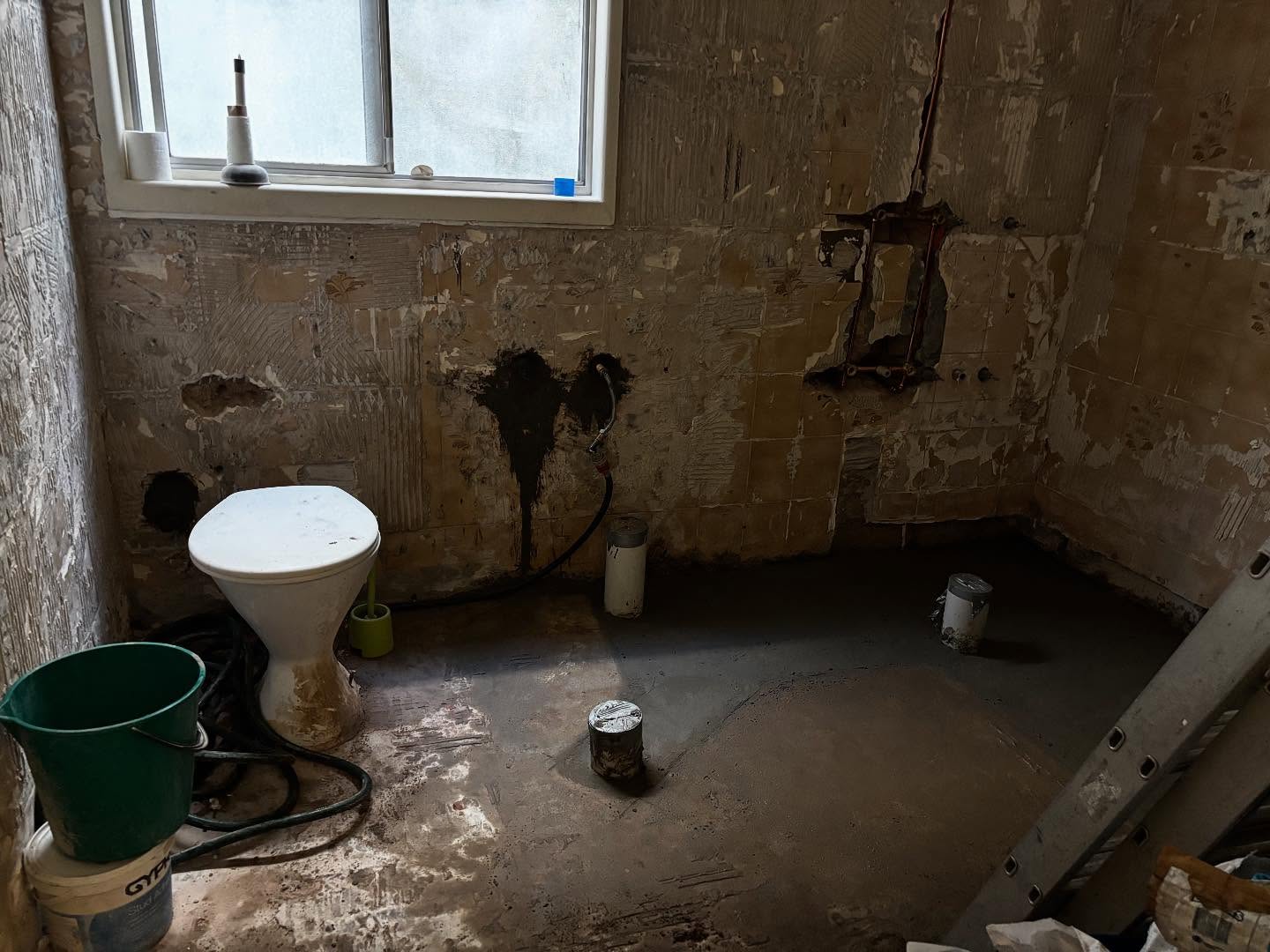
Ever had that heart-pounding moment when you discover your toilet won’t flush and the bowl is rising? In Hills District’s mix of heritage homes and modern units, plumbing quirks can catch anyone off guard. A Blocked Toilet is not just a nuisance; it can quickly turn messy, risking water damage and health hazards. Professional blocked toilet repair can help prevent costly plumbing damage.
In a city like Sydney, with its ancient clay drains and lush trees, blockages can come out of nowhere. This article guides you through exactly what to do if your loo goes on strike: how to safely tackle the clog, prevent sewer spills, and decide when to stop DIY and call Seal Approved Plumbing.
Blocked Toilet problems in Hills District often come down to two things: something the wrong thing went down the bowl, or roots and age are to blame. Identifying the cause early helps you choose the right toilet blockage solutions. Dumping flushable wipes or oily grease down the dunny is asking for trouble. (As Sydney Water warns, only the “3 Ps” pee, poo and toilet paper should go down the pipe.)
In fact, experts say 75% of sewage blockages involve non-flushable wipes. Add in gum tree or jacaranda roots squeezing into old clay pipes, and you’ve got a ticking time bomb. The result? Slow drains, gurgling pipes, a toilet drain blockage, and eventually an overflowing toilet.
When your toilet starts to bubble or overflow, seconds count. If waste begins spilling, shut off the water supply immediately (usually a valve behind the bowl). This stopgap measure prevents gallons from pouring out as you prep the next steps. Always wear gloves and have old towels or a bucket on hand before plunging into action. Our North-West Sydney plumbing pros provide a fast emergency blocked toilet service because sewage backup poses health risks and can flood kitchens or carpets in minutes.
Why a Blocked Toilet Can Be an Emergency
Plumbing in Hills District is like the hidden circulatory system of your home: mostly invisible, until something bursts. A small clog might seem minor at first until sewage backflows into your shower or leaks through ceilings. Industry pros say an overflowing or gurgling toilet always raises red flags. In plain language: if you can’t stop the bowl from filling or backups are creeping into other drains, it’s an emergency.
Consider this local scenario: an old terrace on St. Leonards has fragile terracotta pipes under the garden. One rainy night, a minor clog finally gives way and the whole line backs up. Raw sewage starts pushing up into toilets and sinks. That’s dangerous: raw wastewater carries germs and can ruin floors or walls fast. Technically, any immediate threat to health or property is an emergency. As Seal Approved Plumbing notes, emergencies are problems “you can’t wait on without causing more damage”. An overflowing toilet, burst pipe flooding a room, or sewage leak under a house definitely count.
Local factors make it worse: Many Hills District homes have ageing plumbing. High water pressure in newer apartments can strain old joints; tree roots in narrow gullies can sneak into tiny cracks. Once a sewer line starts to clog in this environment, the pressure builds until, whoosh, it finds a way out, often into your bathroom. That’s why even a small persistent clog should be treated seriously. The saying goes: a stitch in time saves nine; in plumbing terms, quick action on a minor blockage can prevent a full-blown emergency.
Technology like CCTV drain cameras and hydro-jetters is great for resolving big clogs, but before the pros arrive, there are safe, do-it-yourself steps you can try. The key is acting calmly and wisely: don’t flush again if the bowl is full, avoid pouring toxic chemicals, and never pour boiling water (it can crack a ceramic bowl). The next sections walk you through practical fixes and precautions while you wait.
What Causes Toilet Blockages in Hills District?
Blockages usually stem from what goes down the loo. Flushing anything other than the 3 Ps is risky. Even modern “flushable” wipes and hygiene products often do not break down fully. Sydney Water estimates unflushable wipes cause 75% of sewer blockages. It’s all too easy to leave hair, tissues, cotton buds or wet wipes in the toilet; over time these accumulate and trap debris. The next flush can jam this mass in the drain, leaving the bowl water-choked.
Hills District’s natural surroundings contribute too. We love our jacarandas, but their roots are notorious for lunging into pipes seeking moisture. Ancient clay or terracotta drains are particularly vulnerable: a tiny crack from a root or ground shift can widen into a complete blockage. Sometimes a clog seems to clear (like when gravity does the flushing work), but root intrusions or collapsed sections remain hidden. That’s why a blocked toilet could signal a bigger sewer issue down the line.
Another common culprit is grease and fat from kitchen drains. If kitchen sink traps have junk, the kitchen clog can push back into the bathroom line in multi-storey homes. Even tree roots, discussed above, can clog a toilet indirectly by jamming the main sewer. In short, slow flush or weird smells often mean trouble in the pipes.
Quick DIY Fixes: Try These Before Calling a Plumber
You can often clear minor clogs yourself and buy some time before calling a professional toilet unblocking service. Here’s a step-by-step approach:
- Turn off the water. First, stop more water flowing into the toilet. Lift the cistern lid and close the flapper (the rubber seal under the lid). Then locate the shut-off valve (usually behind the toilet) and turn it clockwise to cut the supply. This prevents the bowl from overflowing while you work.
- Plunge with the right tool. A good flange plunger is your first line of defence. Make sure it’s the correct size and has the rubber gasket (flange) extended for a tight seal. Place it straight into the bowl, push down to get a snug seal, then pump up and down vigorously (about 15–20 strokes). Keep the seal airtight so the suction can dislodge the clog. If toilet water is very high, wear boots or pull out a bit of water with a small container first (dump it in another sink or bucket) to give the plunger room to move.
- Try soap and hot water. Pour a few cups of hot (not boiling) water into the bowl. Adding a little dishwashing detergent (about half a cup) can lubricate and break down greasy clogs. Let it sit for 10–15 minutes. The mixture helps soften toilet paper and organic matter. Then plunge again gently. This often works wonders on partial blockages caused by excess toilet paper or grease. (Warning: Boiling water can crack porcelain, so only use very hot tap water.)
- Use a drain snake (toilet auger). If plunging fails, a toilet auger can be next. Feed the flexible snake end into the bowl and push it down the drain. Twist the handle to break up or hook the clog. Slowly pull debris out if possible. A toilet-specific auger has a curved end to navigate the trap. This method reaches farther than plunging. If you don’t have an auger, sometimes a coated wire hanger or plastic bottle can do the trick in a pinch (wrap the end in a plastic bag to protect the bowl and try to catch the clog).
- Vent the bowl pressure. Sometimes, dislodging a clog makes things worse before better: you’ll hear gurgles as air shifts. It’s a good sign it’s working. If sewage still tries to rise, bail out excess water into buckets so it doesn’t overflow the bathroom. Keep a gap for air to enter (break the suction) by slightly lifting the float in the tank or crack open a window to reduce pressure.
After each step, test the flush. If water drains normally and the bowl empties fully, the problem may be solved. But don’t keep flushing a nearly full bowl; that’s how big spills happen.
If none of these steps does the trick within a few tries, it’s time to arrange clogged toilet repair from a qualified plumber. Ignoring a stubborn clog can lead to floor damage and serious plumbing headaches. The longer sewage sits, the more it sinks into surrounding walls or wood.
| Symptom / Scenario | DIY Action | When to Call a Plumber |
| Slow flush (water drains very slowly) | Plunge gently; try dish soap + hot water | If it persists after a couple tries, or if multiple fixtures are slow, call a plumber (likely branch clog). |
| Overflowing bowl | Shut off water at valve immediately; remove excess water (bucket/mop); then plunge | If the toilet still overflows after DIY, or if you see sewage pooling, this is an emergency; call now. |
| Gurgling/flushing noise | Stop using other drains; plunge; pour hot water | If the gurgle continues or affects other drains, plumbing lines are backing up; an emergency plumber is needed. |
| Toilet won’t flush at all | Check if cistern works; plunge; do not force toilet brush | Call immediately. This may indicate a serious clog or a broken flush valve. |
| Sewage smell/drain backup | Ventilate area; stop using toilet; plunge lightly | Any sign of sewer gas or backup beyond the toilet means a major blockage. Call emergency plumbing. |
When to Call a Professional Plumber
DIY has its limits. If any of these are true, ring a qualified plumber right away:
- Overflow won’t stop. After you’ve shut off the water, if sewage still comes up when you open the shut-off or can’t get the toilet to drain safely, it’s beyond DIY.
- Waste in sinks/showers. Flushing your loo causes water to back up in other fixtures, a sure sign the blockage is in the main sewer line. You’ll need a professional blocked toilet plumber with a drain camera and high-pressure jet (or snake) to clear it safely.
- Repeated clogs. If blockages keep happening, the issue is likely an underlying pipe problem. Tree roots, broken pipes or collapsed drains need professional repair or relining.
- Odour or health concerns. Strong sewer smells or signs of raw wastewater are health hazards. It’s safer to evacuate and get help than to mask the smell with bleach.
- Foreign objects. Kids sometimes drop toys down the toilet. A plunger or snake might not grab a plastic toy. Only a plumber with camera gear can retrieve it without damaging the toilet.
Remember, under NSW regulations, any plumbing work (especially drain work) must be carried out by a licensed plumber. You can verify licensing requirements through the Service NSW licensed tradesperson register before hiring a plumber. Service NSW reminds us: “A licence is required for people to do … plumbing, draining … work”. A licensed plumber also provides compliance certificates and the assurance that pipes will be safely inspected.
Seal Approved Plumbing offers 24/7 emergency blocked toilet service and reliable toilet plumbing services across Hills District. Our licensed team has the gear and experience to handle clogged toilet repair, whether by drain snake or hydro jetting. We’re available day or night, holidays included.
Preventing Blocked Toilets in Hills District
An ounce of prevention is worth a pound of cure. Avoid future blockages by following a few simple habits:
- Flush only the 3 Ps: Pee, poo, and toilet paper. Sydney Water bluntly reminds us that everything else belongs in the bin. Dispose of wipes (even the “flushable” ones), sanitary pads, nappies, cotton buds, and hygiene products in a rubbish bin.
- Minimise Grease: Don’t pour fat, oil or solids down any drain. Let cooking oil cool and toss it in the garbage. Wipe greasy pans with paper towels before washing.
- Be Tree-Mindful: If you have large trees near your sewer, know where the pipes run. Consider root barriers or regular inspections. An annual drain camera check can catch root intrusion early, before a complete block occurs.
- Regular Maintenance: Once a year, have a plumber jet out your drains. This flushes away sediment and minor blockages (even roots) before they fully block.
- Install Filters: Use sink strainers and avoid flushing bulky items. Even switching to 1-ply toilet paper can speed breakdown.
These steps won’t eliminate all problems (ageing pipes can crack randomly), but they dramatically reduce the risk of needing overflowing toilet repair.
If you own property in Hills District, consider scheduling a professional inspection every few years. Experts can also suggest whether your home needs pipe relining, a modern fix that seals old pipes without digging up your garden.
What if My Toilet Still Won’t Unclog?
Sometimes even the pros face a tricky toilet. Here’s what happens next:
- Identify the clog location. If it’s on an upper floor (e.g., apartment unit), often it’s just toilet paper. We try powerful plungers or air snakes first. If it’s a ground-floor house, the trouble could be roots or a collapsed main sewer pipe.
- Check the overflow relief. Plumbers will inspect the Overflow Relief Gully (ORG), a drain outside that prevents the house from flooding. If it’s gushing sewage, the blockage is beyond the toilet. If not, they focus on the toilet drain itself.
- Professional tools. An emergency plumber uses drain augers, airline machines, or hydro-jetting to blast the clog. Hydro-jetters shoot ultra-high-pressure water to scour grease, wipes and even cut through roots. In worst cases, a plumber may need to remove the toilet to access the drain more directly.
- Find the cause with a camera. If multiple fixes fail, a CCTV drain camera is fed into the pipe. This little camera shows exactly what’s blocking it be it roots, a broken fitting, or a toy. Once identified, the plumber proceeds with the right fix: more jetting for roots, or quoting for pipe repair if collapsed.
Even if it’s resolved, always ask the plumber for tips to prevent a repeat. Often a small behaviour change (like using less toilet paper per flush) can save you from a rude repeat performance.
Conclusion
Blocked toilets can turn a quiet Hills District morning into a full-blown crisis, but acting smart can keep the flood at bay. We’ve covered the essentials: turn off the water if the bowl is rising, grab a plunger, and use good old soap and hot water to break down clogs. If these tricks don’t clear it, or if sewage starts creeping into your home, it’s time to ring in the professionals.
Remember, anything beyond a stubborn paper clog (like water backing up or foul sewer smells) merits an emergency call. Seal Approved Plumbing is on call 24/7 for exactly these problems in Hills District. We’ll rapidly diagnose the blockage location, use high-powered tools if needed, and have your toilet flowing again safely.
Don’t let a blocked toilet ruin your day. By following these steps and tips, you’ll either fix the clog or at least stabilise the situation until help arrives. Keep towels handy, use gentle DIY fixes first (soap, plunger, snake), and when in doubt, shut off the water and call us. For all your toilet unblocking needs in Hills District, Seal Approved Plumbing is just a call or click away. We know the local plumbing quirks, and we’re licensed, insured, and ready to respond fast. Contact us now for emergency blocked toilet repair or any toilet plumbing service. Our blocked toilet emergency plumber will have things flowing smoothly again in no time.
FAQs:
1. Why won’t my toilet unclog even after I’ve plunged it?
The blockage may be too deep in the drain or caused by items like wet wipes or other solid objects. If plunging doesn’t work or you notice water backing up elsewhere, it’s best to contact a professional plumber.
2. Can I use store-bought drain cleaners on my toilet?
Most chemical drain cleaners are not suitable for toilets and may damage pipes or the toilet bowl. Safer DIY methods or professional plumbing assistance are recommended.
3. How do I know if a blocked toilet is an emergency?
If the toilet is overflowing, sewage is backing up, or water won’t stop rising, treat it as an emergency. Turn off the water supply and call a plumber immediately to prevent further damage.
4. What should I avoid flushing to prevent future blockages?
A: Only flush toilet paper and human waste. Avoid flushing wipes, sanitary products, paper towels, cotton buds, and other non-flushable items to reduce the risk of blockages.
5. What does a toilet unblocking service cost?
A: The cost depends on the severity of the blockage and the work required. Most plumbers provide a quote after assessing the issue, so it’s best to arrange an inspection for accurate pricing.
