When I moved into my Hills District home, I loved the convenience of gas cooking and heating. But I quickly learned that hidden behind every sizzling BBQ or warm shower are gas lines and fittings that demand respect. Gas is invisible and can be dangerous if not handled correctly, like a quiet storm lurking under the floors. In this post, I’ll walk you through what gas line fittings are, why you absolutely need professional help with them, and how to stay safe. Whether you live in a Sydney terrace or a modern North Shore apartment, these tips will help you treat your gas fittings right and keep your household safe.
Understanding Gas Line Fittings and Installation
Every gas appliance (stove, heater, hot water unit, etc.) connects to the main gas line through Gas Line Fittings, making proper gas line installation essential for safe operation. These gas pipe fittings include couplings, elbows, T-joints, valves, and unions made of brass, copper or steel.
Think of them as the “joints” and “valves” in your body’s circulatory system; they link segments of pipe and control the flow. For example, a T-fitting splits one pipe into two directions, and a gas valve lets you shut off supply. These fittings must form perfect seals; even a tiny gap or crack can leak natural gas (which is odorless without an additive).
The pipes themselves are usually rigid black iron or rigid copper, with flexible stainless-steel hoses only at the appliance connection. Australian rules are strict: all pipes and fittings must comply with AS/NZS 5601 (the Gas Installations standard). For instance, threads on pipe joints must be tapered (parallel-thread fittings are not allowed) to ensure they seal tightly. In short, you must use a gas-rated pipe and the right Gas Line Fittings for safe gas pipe installation; plumbing-grade parts won’t do. This isn’t the time to ‘make do’. A wrongly sealed or the wrong type of fitting can loosen with vibration and cause a leak.
Natural gas line installation and LPG gas systems both require approved Gas Line Fittings that comply with Australian standards. Hills District homes might have one or the other, but the principle is the same: always use fittings rated for gas, and follow the installation rules. Never use solder or adhesives not approved for gas lines. And keep flammable materials away from gas connectors. By treating these pipes and fittings like they’re carrying a sleeping cobra- never poke it or ignore it- you’ll reduce the chance of a dangerous “wake-up.”
Why Only Licensed Gas Fitters Should Touch Your Gas
In NSW (and all of Australia), you must hire a licensed gas fitter for any gas line work. That’s not just plumber-speak; it’s the law. The NSW Gas & Electricity (Consumer Safety) Act 2017 explicitly forbids unlicensed people from installing, altering, or repairing gas lines. In other words, you can’t DIY it or even have a non-gas plumber do it. The legislation says “all gas installations must be carried out by a licensed gasfitter”. Why? Because mistakes can kill or cause massive property damage.
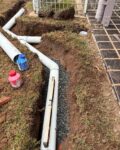
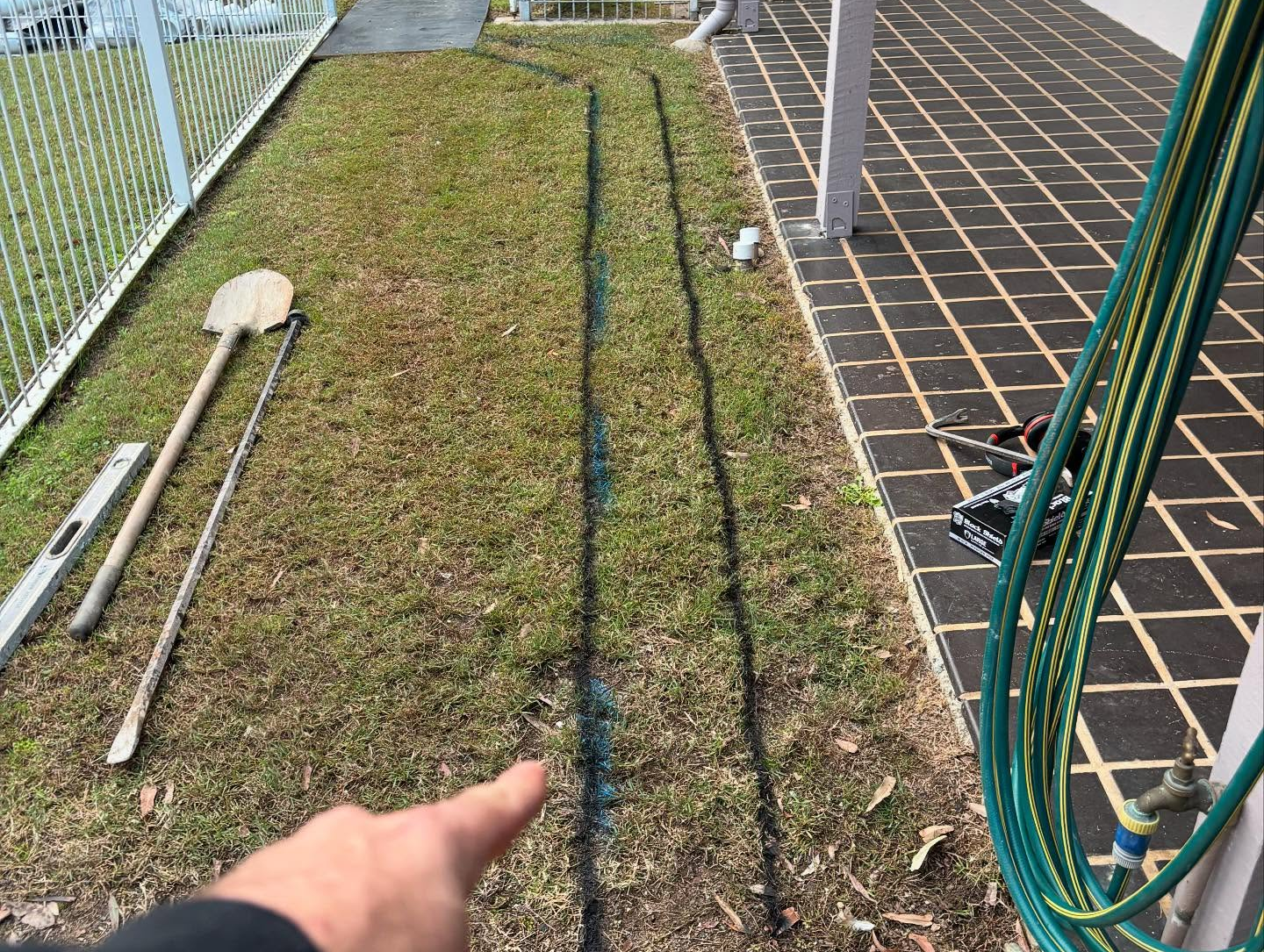
Beyond legality, a licensed gas fitter brings the expertise needed for safe Gas Line Fittings and reliable installations. A licensed gas fitter will choose the right gas pipe fittings, complete safe gas pipe installation, use approved sealants, and pressure-test every joint. They know how different appliances demand different fittings and pressures. And by NSW law, after installation, they must issue you a Certificate of Compliance for networked gas (or an Inspection for bottled gas). This certificate is your proof that the work meets the AS/NZS 5601 standard. It also protects your home insurance: if an insurer finds you had unlicensed work done, they can refuse a claim.
For example, imagine your kitchen renovation where you need a gas appliance connection for a new gas stovetop. A licensed gas fitter will not only hook up the line correctly, but they’ll also check ventilation and certify the job. NSW regulators stress: “Always have a licensed gasfitter install, repair and service gas appliances.” Only they can legally connect or disconnect fixed gas appliances. They’ll handle tricky bits like switching from natural gas to LPG safely, or ensuring your heritage home’s old piping is still sound.
To illustrate, here’s a quick look at common gas services and why a licensed professional is crucial for each:
|
Gas Fitting Service |
Why a Licensed Gas Fitter Matters |
|
Gas line/pipe installation (new mains or LPG line) |
Uses approved gas pipe fittings, seals joints properly, and pressure-tests the line to prevent leaks. Prevents accidents from faulty piping. |
|
Gas appliance connection (stove, heater, etc.) |
Ensures the correct connector and pressure regulator are used. Verifies venting and safe operation, then issues the compliance certificate. |
|
Gas leak detection & repair |
Employs calibrated gas detectors and bubble-testing to find even tiny leaks. Fixes or replaces faulty fittings with certified parts so the line is safe. |
|
Commercial gas line services (cafes, offices, factories) |
Handles larger systems that need extra permits and pressure checks. A pro navigates regulations and tests thoroughly so workplaces meet safety laws. |
As shown above, cutting corners isn’t an option. A licensed fitter understands the precise purpose of each fitting and how to install it correctly. They also avoid prohibited practices; for instance, Australian standards forbid some common “black-market” fittings (like certain parallel-thread nipples that rely only on tape) because they can loosen and leak. In short, don’t trust your gas pipes to chance or cheap fixes. Use professional gas plumbing services and professional gas fitting services to keep your gas system safe.
Warning Signs of a Gas Leak
Even with proper fittings, gas can escape if something goes wrong. As a homeowner, be alert to these classic warning signs:
- Rotten-egg smell: Natural gas is odourless, but gas companies add a sulphur-like odorant. If you smell that telltale rotten-egg stink, suspect a leak.
- Hissing or whistling sounds: A faint hiss or whoosh near pipes or the meter can mean high-pressure gas is escaping. Don’t ignore it.
- Dead or dying plants: If vegetation near the gas meter or underground line suddenly wilts or turns brown (and it’s not drought season!), a slow subsurface leak could be at play.
- Bubbles when wet: You can spray soapy water on a joint or hose. Steady bubbling means gas is leaking out. (Professional gas detectors do this more reliably.)
- Unexplained higher gas bills: If your usage is the same but your bill spikes, gas might be silently leaking somewhere in the system.
If you notice any of these, treat it as an emergency. NSW Fair Trading advises that gas leaks are a “potentially lethal risk” and do not light any flames or turn switches on/off. Immediately evacuate the building with everyone inside. Once safely outside, call 000 (Fire Service) and let them know of the gas leak. After calling emergency services, contact your gas supplier’s emergency line (number is usually on your bill) and ring a licensed gas fitter right away.
Under no circumstances should you try to “sniff out” the leak with matches or matches (seriously!) or sweep it away. NSW advice is clear: extinguish open flames, ventilate the area, turn off the gas at the meter/cylinder if safe, and wait for professionals. A qualified licensed gas fitter will shut off the supply, perform gas leak detection, complete any required gas line repair, replace damaged Gas Line Fittings, and re-test the system. Remember: a faulty joint or cracked pipe is nobody’s DIY job. In NSW, only a licensed gas fitter can legally perform a gas leak repair and re-certify the line.
Gas Line Safety Tips for Homeowners
You can take some simple steps to keep your gas lines safe and sound:
- Know your gas meter and shut-off valve. Make sure you can find and operate the main gas shut-off (usually near the meter outside). In an emergency, turning off the valve at the meter stops gas flow into the home. Practice this once so you’re not fumbling later.
- Schedule regular inspections. Have a licensed gas fitter inspect your system every 1–2 years (or at least when buying/selling a home). As one study noted, homes with annual gas checks had far fewer gas-related issues. These pros will test pipe pressures and ensure fittings and appliances are in top shape.
- Service appliances by the book. When installing or moving a gas oven, heater, or BBQ, always hire a licensed gas fitter for the gas appliance connection. After installation, they should provide a Certificate of Compliance. Don’t skip annual maintenance on your hot water system or heater: wear and corrosion on burners or fittings can cause leaks over time. NSW even recommends gas appliances be serviced in line with manufacturer specs.
- Install gas leak detectors. Affordable natural gas detectors or even a carbon monoxide alarm (since incomplete combustion can cause CO) can give early warning if something goes wrong. Place them near the kitchen or boiler, anywhere a leak might occur. Think of these like smoke alarms for gas.
- Use correct hose and fittings. Flexible connector hoses (usually stainless steel) from appliances to the pipework should be gas-rated and replaced every few years or if worn. Check these for cracks or kinks. Never use rubber hoses made for other purposes. Always fasten hose connections with the proper clamps, and never drape hoses over appliance feet or hot surfaces.
- Don’t gamble on price. When getting any gas line work, get a few quotes but be wary of “too cheap to be true” offers. A suspiciously low price often means corners were cut. With something as critical as gas, pay a bit more for a reputable pro. They’ll do the job right, which saves you from costly (or deadly) mistakes later.
These tips rely on common sense, but it’s amazing how often we ignore them. As the NSW safety page bluntly puts it: “Always treat any gas leak as a potential lethal risk.” By inspecting fittings, testing detectors, and calling an expert at the first whiff of gas, you keep your family and home safe.
Conclusion
Gas Line Fittings are the behind-the-scenes heroes of Hills District homes, supporting safe residential gas line fittings for everyday cooking, heating, and hot water. But just like you wouldn’t trust an amateur with your family’s health, you shouldn’t trust anyone but a licensed gas fitter to handle your gas pipes. From choosing the right gas pipe fittings to pressure-testing every joint, professionals follow strict Australian Standards (AS/NZS 5601). We’ve covered the warning signs rotten egg smells, hissing sounds, yellowing grass and laid out homeowner tips like regular inspections and knowing your shut-off valve. The key takeaways are: treat gas as dangerous, always call an expert, and never ignore even the smallest leak.
At Seal Approved Plumbing, we’re a team of licensed gas fitters providing professional gas fitting services, gas line installation, gas line repair, commercial gas line services, and residential gas line fittings across Hills District and the Lower North Shore.
If you ever have questions or need help, whether it’s a routine gas line installation, a compliance check, or an emergency leak repair, please don’t hesitate to reach out. Your safety is our top priority, and we’re here 24/7 for gas line work. Contact us today for friendly, professional service and the peace of mind that comes with certified work.
FAQs:
Do I need a licensed gas fitter to install or repair gas lines?
Yes. In NSW, all gas line installation, repairs, and alterations must be completed by a licensed gas fitter to meet safety regulations. Professional work ensures compliance and helps protect your home and insurance coverage.
How can I tell if my gas line fittings are leaking?
Common signs include a rotten egg smell, hissing sounds near gas pipes, dead vegetation around underground lines, or unusually high gas bills. If you suspect a leak, leave the area immediately and contact emergency services and a licensed gas fitter.
What should I do if I smell gas at home?
Leave the property immediately and avoid using electrical switches, appliances, or open flames. Once you’re in a safe location, contact emergency services and your gas supplier before arranging an inspection by a licensed gas fitter.
How often should gas line fittings be inspected or maintained?
It’s recommended to have your gas line fittings inspected every few years or whenever you install new gas appliances. Regular maintenance helps detect wear, corrosion, and potential leaks before they become serious issues.
Can I use any pipes or connectors for gas lines?
No. Only approved gas pipes, fittings, and connectors that comply with Australian standards should be used. A licensed gas fitter will ensure the correct materials are installed safely and legally.
