
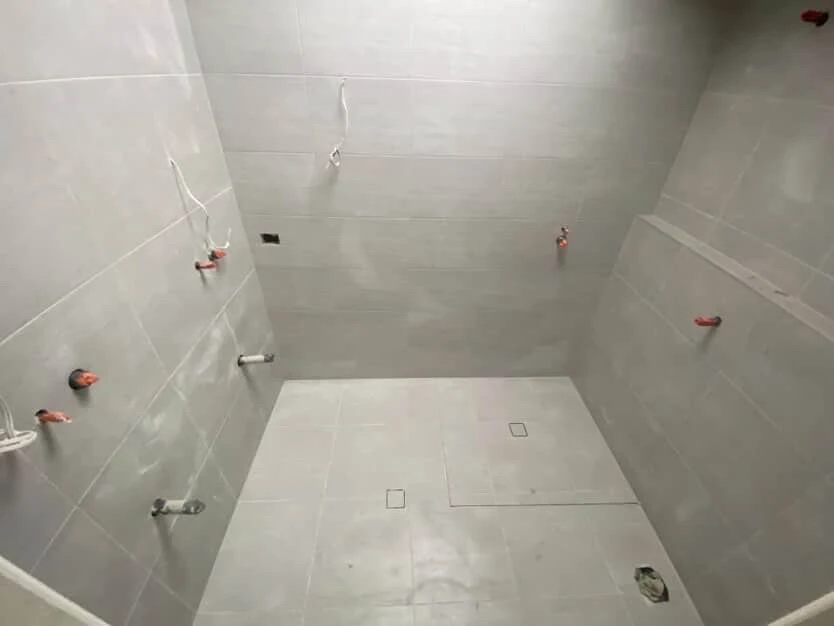
Most bathroom pipe repair jobs don’t start with a burst pipe – they start small. A slightly damp patch under the vanity. A tap that drips a little longer than it used to. A faint musty smell that comes and goes. The homeowners who catch these signs early save themselves thousands of dollars and a lot of stress, because early bathroom pipe repair is almost always simpler, faster, and cheaper than dealing with the aftermath of a pipe that’s failed.
The good news is that catching problems early isn’t complicated once you know the signs. This guide walks through what actually causes bathroom pipes to fail, the early warning signs worth watching for, and how a professional bathroom pipe repair in North Sydney service identifies issues before they turn into major damage – so you’ll know exactly what to look for in your own home.
Why Bathroom Pipes Are Prone to Problems in North Sydney Homes
Bathrooms put more strain on plumbing than almost any other room in the house. Constant exposure to moisture, temperature changes between hot showers and cold mornings, and daily use all add up over time. In North Sydney specifically, a lot of the housing stock includes older homes with original copper or galvanised steel pipework, which is now decades past its intended lifespan in many cases.
Older pipes corrode from the inside out, which means damage can be well underway before any visible sign appears. Add in shifting soil conditions common across parts of the North Shore, and you’ve got a combination of factors that make bathroom pipe repair a genuinely common need – not a rare emergency.
Early Warning Signs of Bathroom Pipe Problems
Catching bathroom pipe damage early comes down to knowing what to look for. Most homeowners miss the signs simply because they’re subtle and easy to explain away.
Watch for:
- Damp or discoloured patches on walls, floors, or ceilings near the bathroom – even small ones
- A musty or mouldy smell that doesn’t go away with cleaning or ventilation
- Peeling paint or bubbling wallpaper near skirting boards or behind the shower wall
- Soft or spongy flooring around the toilet, shower base, or vanity
- Unexplained increases in your water bill with no obvious change in usage
- Low water pressure in the shower or basin taps that wasn’t there before
- The sound of running water when every tap in the house is off
Any one of these on its own might not mean much. But if you notice two or three together, it’s worth getting a professional to take a look before it progresses. According to Sydney Water, if you can’t detect a leak or explain unusually high water usage, that’s a strong sign something needs investigating – and hidden bathroom pipe leaks are one of the most common culprits.
Hidden Pipe Leaks vs Visible Damage
Not all bathroom pipe leaks show themselves clearly, which is exactly why early detection matters so much. There are generally two categories:
Visible leaks – a dripping tap, water pooling around the base of the toilet, or a pipe joint under the vanity that’s clearly wet. These are the easier ones to catch, because you can see the problem directly.
Hidden pipe leaks – leaks inside wall cavities, under flooring, or within the slab. These can run for weeks or months before they become obvious, quietly causing water damage, mould growth, and structural issues the whole time. Hidden leaks are usually what’s behind a rising water bill with no clear explanation.
This is where a proper bathroom plumbing inspection earns its value – it’s built specifically to catch the leaks you can’t see.
What Happens During a Bathroom Plumbing Inspection
A bathroom plumbing inspection isn’t just a quick look under the sink. A thorough inspection typically includes:
- Visual assessment of all visible pipework, joints, and fittings for corrosion, discolouration, or moisture
- Water pressure testing to check for drops that indicate a leak somewhere in the system
- Leak detection equipment, such as acoustic listening devices or thermal imaging, to locate leaks hidden behind walls or under floors without needing to cut into anything unnecessarily
- Drain camera inspection where blocked bathroom pipes are suspected, to see exactly what’s happening inside the pipe
- A written assessment outlining what was found and what (if anything) needs repair or replacement
This process is non-invasive by design. A good leak detection and repair service should be able to pinpoint the source of a problem without tearing apart your bathroom to find it.
DIY Checks You Can Do Yourself
You don’t need a plumber to do a basic check. A simple way to test for a hidden leak is to turn off every tap and appliance in the house, note your water meter reading, wait an hour without using any water, then check the meter again. If it’s moved, water is escaping somewhere.
Beyond that, a quick monthly walk-through of your bathroom is worth the five minutes it takes:
- Run your hand along exposed pipes under the vanity to check for moisture
- Check the grout and silicone around the shower and bath for gaps or softness
- Look at the base of the toilet for any staining or lifting of the flooring
- Notice if the bathroom smells different than usual
These checks won’t catch everything – particularly problems inside walls or under slabs – but they’re a useful first line of defence between professional inspections.
When Bathroom Pipe Repair Becomes an Emergency
Some situations don’t leave room to wait and watch. If you’re dealing with a burst pipe, water pooling rapidly, or a leak near electrical fittings, that’s an emergency plumbing North Sydney situation and needs an immediate response, not a scheduled inspection.
Signs it’s urgent rather than something to monitor:
- Water is actively flowing and you can’t stop it at the tap
- The ceiling is sagging or dripping from water above
- You can hear water running inside a wall
- A blocked bathroom pipe has caused water to back up into the shower or basin
In these cases, shutting off your main water valve and calling a plumber immediately will limit the damage far more than waiting to see if it resolves on its own.
Pipe Repair vs Pipe Replacement: What Determines the Difference
Once a problem is identified, the next question is usually whether it needs a repair or a full pipe replacement. This generally comes down to a few factors: the age and material of the existing pipework, how localised the damage is, and whether the surrounding pipe is showing early signs of the same corrosion or wear.
A single damaged section in an otherwise sound system is usually a straightforward repair. But if the inspection reveals that the pipe is old, corroded in multiple places, or the wrong material for the load it’s carrying, replacement is often the better long-term option – repairing one section of a failing system just means dealing with the next leak a few months later.
Why Catching It Early Actually Saves Money
It’s worth being direct about this: the cost difference between early bathroom pipe repair and delayed repair is significant. A small leak caught early might mean replacing one section of pipe. The same leak left for six months can mean replacing bathroom flooring, repairing water-damaged walls, treating mould, and – in the worst cases – addressing structural timber damage.
General plumbing issues in a bathroom rarely stay contained to just the pipe. Water finds its way into surrounding materials, and that’s where the real cost usually comes from.
Get Ahead of Bathroom Pipe Problems in North Sydney
Bathroom pipe problems rarely announce themselves loudly at first – a damp patch, a faint smell, a water bill that doesn’t quite add up are usually the only clues you’ll get before things get worse. Knowing what to look for, checking your bathroom pipework regularly, and understanding the difference between a minor fix and a sign of bigger issues go a long way toward catching damage. At the same time, it’s still cheap and simple to repair.
If you’ve noticed any of the signs covered in this guide, don’t wait to see if it resolves itself. Seal Approved Plumbing provides thorough bathroom plumbing inspections and bathroom pipe repair across North Sydney, with honest advice on what’s actually needed and no pressure either way. Get in touch with our team for a free quote, or call us directly for same-day service if it’s urgent.
Frequently Asked Questions
1. How do I know if my bathroom pipes need repair?
Look for damp patches on walls or floors, a musty smell that won’t clear, peeling paint near the bathroom, low water pressure, or an unexplained rise in your water bill. Any of these can point to a leak that needs professional attention.
2. Can I repair a bathroom pipe leak myself?
Minor fixes like tightening a loose fitting are sometimes manageable, but most bathroom pipe leaks – especially hidden ones – require leak detection equipment and licensed plumbing work to fix properly and avoid further damage.
3. How much does bathroom pipe repair cost in North Sydney?
Cost depends on the extent of the damage, whether it’s a straightforward repair or requires pipe replacement, and how accessible the affected pipe is. A proper inspection is the only way to get an accurate figure for your situation.
