
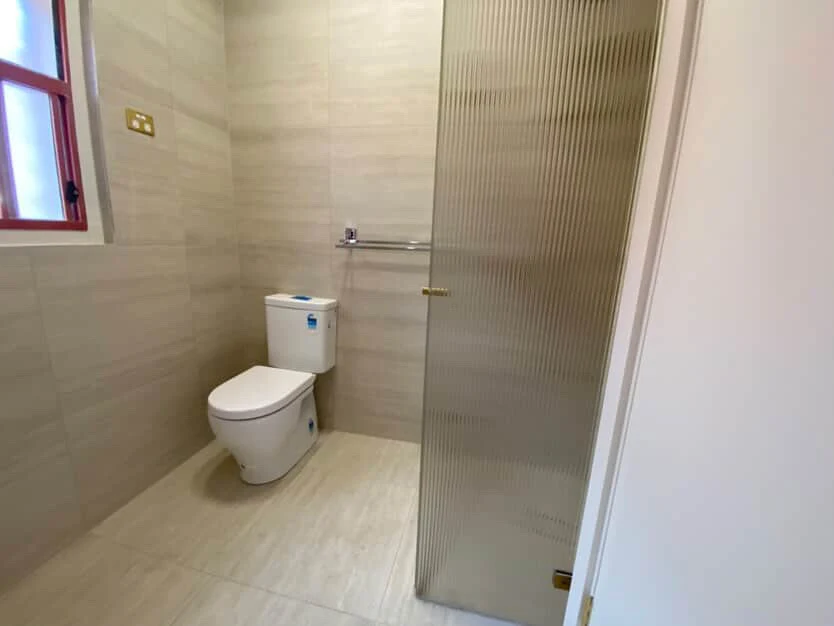
If you’ve plunged the same toilet three times this month, you’re not imagining things – and you’re probably not doing anything wrong either. A blocked toilet that clears with a plunge and then blocks again a week later usually isn’t about what got flushed. It’s a sign that something further down the line needs attention. Before you assume it’s bad luck, it’s worth understanding what’s actually going on with your blocked drain and drain inspection setup, especially if your home is a few decades old.
North Sydney has more than its share of older homes – Federation cottages, mid-century brick homes, blocks of units built well before modern plumbing standards existed. In these properties, a blocked toilet is rarely a one-off. It’s often the first visible symptom of something structural happening underground, out of sight and out of mind until it isn’t.
Here are seven hidden causes worth knowing about, plus what to do when a blocked toilet becomes a pattern rather than a one-time nuisance.
1. Ageing Clay or Terracotta Pipes
Homes built before the 1970s were commonly plumbed with clay or terracotta drain pipes. These materials are durable in some respects, but they’re also porous, jointed rather than sealed, and prone to cracking as the ground shifts over decades. Tiny cracks let in tree roots searching for moisture, and once roots are inside a pipe, they grow, trap debris, and slowly narrow the passage. The result is a blocked toilet that seems to clear temporarily, then blocks again days or weeks later as the root mass rebuilds.
This is one of the most common causes of blocked toilets our team sees across older North Sydney streets, particularly on blocks with established trees near the sewer line.
2. Low-Flow Toilets Fitted to Old Drain Runs
Water-efficient toilets are great for reducing bills, but they weren’t designed with 1960s-era drainage in mind. Older drain runs often rely on a strong flush to carry waste the full distance to the main sewer line. A modern low-flow cistern may not generate enough force to push waste through a longer or slightly sloped older pipe, leading to a blocked toilet that struggles even when nothing unusual has been flushed.
If your toilet was recently replaced with a water-saving model and blockages started soon after, this mismatch is worth investigating.
3. Pipes That Have Sagged or Shifted Underground
Soil movement, especially in Sydney’s clay-heavy ground, can cause sections of pipe to sink or shift out of alignment over time. This creates a “belly” in the pipe – a low point where waste and water pool instead of flowing through. Over months, that pooled material builds up into a partial blockage. A blocked toilet plumber with a drain camera is really the only way to confirm this, since the problem sits well below ground and shows no visible signs above it.
4. Narrow Original Pipe Diameters
Some older homes were fitted with smaller-diameter pipework than what’s used in new builds today. A 75mm pipe that was perfectly adequate decades ago can struggle with modern household usage – more people, more bathrooms, more laundry cycles running through the same line. Even without any single dramatic blockage, the narrower pipe simply has less margin for error, so a blocked toilet becomes more likely with everyday use.
5. Mineral Build-Up From Hard Water
Over many years, mineral deposits from hard water can coat the inside of pipes, gradually reducing their internal diameter much like plaque in an artery. This build-up is slow and invisible, but it means less room for waste to pass through. Combined with any of the other causes on this list, mineral scale is often the final factor that tips a marginal pipe into a fully blocked toilet.
6. Extra Bathrooms Added Without Upgrading the Main Line
Renovations are common in North Sydney, and a lot of older homes have had a second bathroom or ensuite added over the years. If the original main drain line was never upsized to handle the extra load, you end up with more water and waste running through the same old pipe that was only ever designed for one bathroom. This is a frequent, often overlooked cause of a blocked toilet in homes that otherwise look and feel modern.
7. Worn Internal Toilet Components
Not every recurring blocked toilet is a drainage issue – sometimes the problem is the toilet itself. A worn trapway, a flapper valve that doesn’t seal properly, or a partially blocked jet hole under the rim can all weaken the flush over time, leaving waste sitting in the bowl or trap rather than being cleared fully. This is usually the easiest of the seven causes to rule out, and often the cheapest to fix.
When a Blocked Toilet Signals a Bigger Problem
A single blockage cleared with a plunger is normal. A blocked toilet that returns every few weeks, especially alongside gurgling drains, slow-draining sinks, or bad odours from other fixtures, points to something in the shared line rather than the toilet bowl itself. At that point, DIY fixes stop being useful and start masking a problem that’s getting worse underground.
This is where toilet repairs shift from a simple job to something that needs proper diagnosis – usually a CCTV drain camera to actually see what’s happening inside the pipe, rather than guessing. If you’re dealing with sewage backing up, an overflowing bowl, or waste appearing in other drains, that’s no longer a wait-and-see situation. It calls for emergency plumbing services, not another trip to the hardware store for a bigger plunger.
What to Do If Your Toilet Keeps Blocking
If you’ve ruled out the obvious (nothing unusual flushed, no visible clog near the bowl) and the blockage keeps coming back, a few things are worth doing:
- Track the pattern. Note how often it happens and whether other fixtures are affected too – this information helps a plumber diagnose faster.
- Avoid chemical drain cleaners. They rarely fix root or structural blockages and can damage older pipework further.
- Get a camera inspection. This is the only reliable way to see whether the cause is roots, a sagging pipe, scale build-up, or something else on this list.
- Ask about long-term fixes, not just clearing. Jetting can remove the immediate blockage, but if the underlying cause is a cracked or misaligned pipe, you’ll be back here again in a few months without proper pipe repair or relining work.
A licensed plumber should always be the one carrying out drain or sewer work – this is a legal requirement in NSW, not just best practice. The NSW Government’s guidance on preventing sewerage blockages is a useful starting point if you want to understand what’s safe to flush and what commonly causes blockages in the first place.
Conclusion
A blocked toilet that keeps coming back usually isn’t bad luck – it’s a symptom of something happening in the pipework itself, whether that’s tree roots, an ageing clay pipe, mineral build-up, or a drain line that was never upgraded to handle a renovated home. In older North Sydney properties especially, these hidden causes are common enough that repeated blockages should be treated as a diagnostic problem, not just a plunging problem.
If your toilet has blocked more than once in the past month, don’t wait for it to become a bigger issue. Contact Seal Approved Plumbing today for a proper camera inspection and honest advice on what’s actually causing it – whether that’s a quick fix or a longer-term pipe solution. Our team is available for both scheduled visits and urgent callouts, so you’re never stuck waiting on a blocked toilet that won’t quit.
FAQs:
1. Why does my toilet keep blocking even though I only flush toilet paper?
Recurring blockages despite careful flushing usually point to a drain-related cause rather than what’s going down the bowl – things like tree roots, an ageing pipe, or mineral build-up narrowing the line over time.
2. Is a blocked toilet always an emergency?
Not always. A single, easily cleared blockage is usually just routine maintenance. It becomes urgent when the bowl won’t stop rising, sewage backs up into other fixtures, or the blockage keeps returning within days.
3. Will a new low-flow toilet cause more blockages in an older home?
It can, particularly if the existing drain run relies on a strong flush to carry waste the full distance. This isn’t a reason to avoid water-efficient toilets, but it’s worth having your drainage checked if blockages start soon after you swap a toilet.
