Blocked drains can disrupt everyday routines, from a slow-draining kitchen sink to wastewater backing up through bathroom fixtures. Blocked drain repair starts with identifying the cause, whether it is grease build-up, hair, tree root intrusion or damaged underground pipes. Choosing the right solution helps restore proper drainage and reduces the risk of recurring problems.
For homeowners across the Sydney, recognising the warning signs early can help prevent unpleasant odours, water damage and repeated plumbing expenses. While minor obstructions may respond to simple cleaning, persistent blockages often require professional assessment to determine whether deeper cleaning or pipe repairs are necessary.
Understanding the cause is the first step towards a lasting solution. A professional assessment can help determine whether a blockage needs thorough cleaning, a CCTV drain inspection or repairs to damaged pipework. Knowing the difference between these options makes it easier to choose the right approach for your property. Learn more about blocked drain and drain inspection solutions and how they can help identify the cause of recurring drainage problems.
What Causes Blocked Drains Around Sydney?
A kitchen drain rarely stops working without warning. Water might take longer to disappear after washing up, or a bathroom drain might gurgle when someone flushes the toilet. In some Hills District homes, the trouble starts outside, where roots have reached older underground pipes. The cause isn’t always obvious from the surface. Common culprits include:
- Tree roots: Pipes beneath established gardens in NSW can develop cracks or loose joints. Roots entering through these gaps can catch waste and restrict the flow.
- Cooking fat: Grease washed down the sink cools inside the pipe. Food scraps and other debris can stick to the residue.
- Hair and soap: Hair gathers around bathroom outlets, trapping soap residue until water drains noticeably slower.
- Wet wipes and sanitary products: These can lodge in sewer pipes. A flushable label doesn’t guarantee that an item will pass through every drainage system without trouble.
- Leaves and soil: After heavy rain, garden debris can collect over outdoor grates, particularly near driveways and garden beds.
Notice which drains are affected. A single slow basin may have a local obstruction. If several fixtures start draining poorly around the same time, the blockage may be further along the system. That difference helps a plumber determine whether cleaning will suffice or a more involved blocked drain repair is needed.
Blocked Drain Cleaning for Household Build-Up
When a sink fills faster than it empties, the obstruction may be close enough for a simple plunger to shift it. Deeper deposits are another matter, particularly when cooking fats and sludge have built up inside a pipe over months or years.
Professional blocked drain cleaning can remove this accumulated material without disturbing the surrounding garden, driveway or flooring. Depending on the blockage, a plumber may use manual tools or high-pressure water jetting to loosen debris and flush it out of the line.
Water jetting helps with stubborn deposits because it cleans the pipe’s interior rather than simply creating a narrow opening through the obstruction. It can also remove some root growth, although extensive intrusion may require further work.
The pipe’s condition should influence the choice of equipment. A sound pipe may respond well to high-pressure cleaning, whereas an older or damaged section needs careful assessment before using that method.
Repeated chemical treatments are unlikely to solve a problem caused by damaged pipework. Some products can also create hazards when a plumber later works on the drain.
If cleaning restores normal flow, watch how the fixture performs over the following days. When the same blockage returns, arrange an assessment rather than paying for another clean without investigating the cause. A lasting blocked drain repair may require attention to the underlying fault.
CCTV Drain Inspection Finds Hidden Damage
A drain that blocks every few weeks can be more frustrating than one that stops working altogether. You pay to have it cleared, everything seems fine, and then the same problem returns when you have forgotten about it.
A CCTV drain inspection helps investigate this pattern and determine whether blocked drain repair requires more than routine cleaning. A plumber guides a specialised camera through the pipe to examine visible obstructions, root intrusion, cracks and displaced joints. The footage can reveal conditions that are impossible to assess from the surface alone.
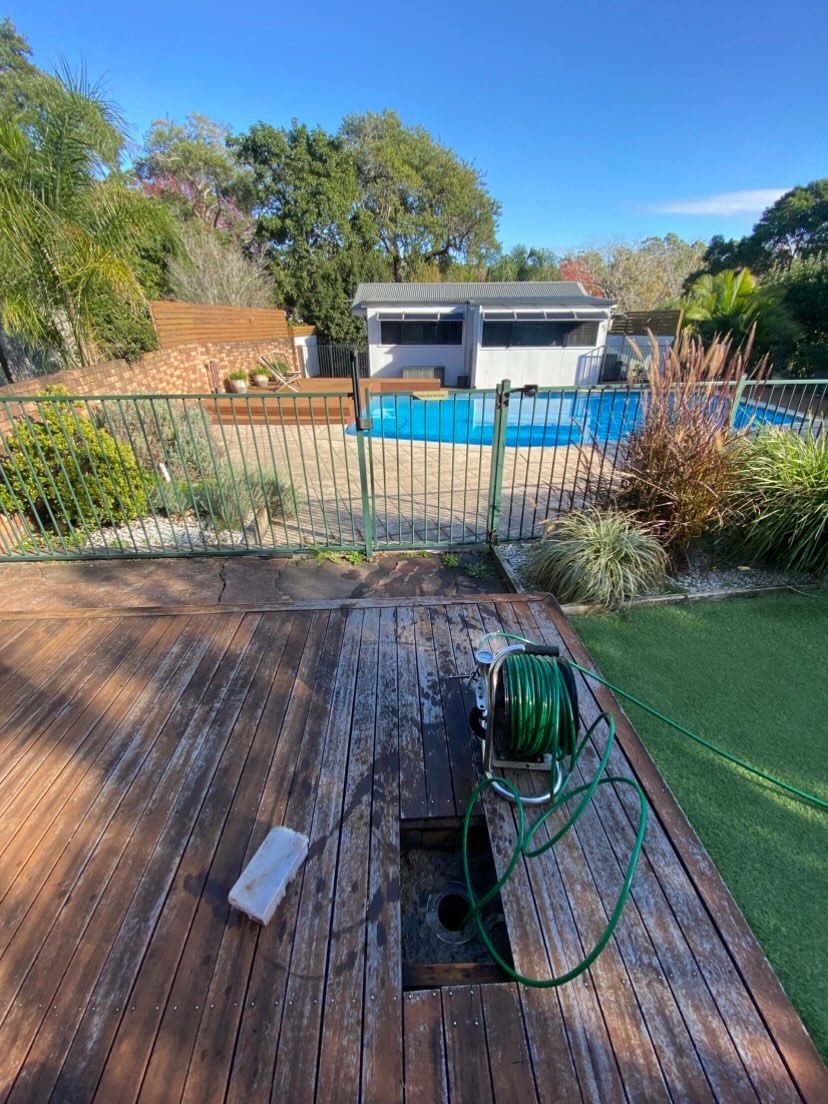
This is particularly useful when underground pipes run beneath a paved entertaining area, driveway or established garden. Digging without knowing where the fault lies can unnecessarily disturb a large area, whereas camera footage can help identify where further investigation may be needed.
Consider a home in Baulkham Hills where roots keep obstructing the same drain. The camera may reveal that they are entering through a defective joint. Removing the roots can restore flow, but the damaged entry point may still require attention.
An inspection does not automatically mean the pipe needs replacing. Sometimes, the footage confirms that cleaning is enough. In other cases, it gives the plumber a clearer basis for recommending a targeted repair.
Ask what the camera has revealed and whether the findings explain the symptoms you have noticed. That conversation helps connect the inspection results to the proposed work.
Blocked Drain Repair Starts With Diagnosis
Once the cause is identified, the decision becomes more specific: clean the pipe, repair a damaged section, or replace pipework that can no longer function reliably. A suitable blocked drain repair should address the fault identified during the assessment.
The following comparison shows how different problems may be treated.
| Drainage problem | Possible solution | When it may be suitable |
| Grease and sludge deposits | High-pressure water jetting | The pipe is serviceable, but accumulated material restricts water flow. |
| Hair and soap residue | Manual clearing or professional cleaning | A bathroom outlet drains slowly. |
| Tree roots inside a pipe | Root removal and assessment of the affected section | Roots obstruct underground drainage. |
| Cracked or displaced joints | Localised pipe repair | A particular section has visible damage. |
| Collapsed or severely damaged pipework | Pipe replacement or another suitable structural repair | The affected section can no longer carry wastewater reliably. |
| Repeated blockages with no clear cause | CCTV camera inspection followed by targeted treatment | Previous cleaning has not provided a lasting result. |
Understanding the difference between clearing a blockage and blocked drain repair matters. Removing roots may restore drainage, for example, but the roots could return if the damaged joint remains open. Similarly, flushing debris from a collapsed pipe will not restore its shape.
Not every damaged section requires replacing the entire line. The appropriate solution depends on the location and extent of the damage, the pipe’s condition and the available repair options.
Before approving the work, ask the plumber to explain what needs attention, why the proposed method is suitable and what the quoted price includes. You should know whether the job covers cleaning alone or also addresses any underlying defect.
When to Call a Plumber for Drain Blockages
A slow-draining sink may not need urgent attention, but recurring blockages deserve investigation. If water keeps backing up after cleaning, several drains are affected, or an unpleasant smell persists, contact a blocked drain plumber to identify the cause and determine whether blocked drain repair is needed.
Some warning signs need a faster response. Sewage backing up through a floor drain, overflowing wastewater, or several fixtures becoming unusable can indicate a serious blockage. Stop using affected fixtures and arrange professional help rather than repeatedly flushing the pipes or pouring chemicals down the drain.
For these situations, emergency plumbing services can help limit further mess and potential damage. Hills District households should also pay attention after heavy rain, particularly if outdoor drains overflow or water collects around the property. Avoid contact with wastewater and keep children and pets away from affected areas until the problem is addressed.
Preventing Future Drainage Problems at Home
Grease in the sink, hair in the shower and leaves over an outdoor grate may seem like minor issues. Left alone, though, they can restrict drainage or make an existing problem worse.
- Kitchen sinks: Scrape food scraps into the bin and wipe greasy pans before washing them. Let cooking fat cool before disposing of it in the rubbish. A strainer helps catch scraps that would otherwise enter the pipe.
- Bathroom drains: Pull hair from the shower strainer when you clean the bathroom. Put wet wipes, cotton buds, sanitary products and paper towels in the bin, even if some packaging claims an item is flushable.
- Outdoor grates: Check them after a downpour, especially where leaves gather along paths and driveways. Clear visible debris and see whether water can drain freely.
- Pipes near trees: If the same drain keeps slowing down, particularly near mature trees, don’t assume another round of root removal will settle it. The roots may be entering through a damaged joint that needs attention.
These steps won’t prevent every blockage. They also won’t fix a cracked pipe or a joint that has shifted. If the same problem returns after cleaning, an inspection can establish whether the pipe needs a more lasting blocked drain repair.
Choosing Reliable Drain Repair Services
The cheapest quote is not necessarily the most economical option if the same blockage returns a fortnight later. When comparing drain repair services, consider how the plumber will identify the problem, what the proposed work includes and whether blocked drain repair addresses the underlying cause.
Check that the provider holds the appropriate NSW licence for the work. Before hiring a plumber, Sydney residents can trust, ask how the blockage will be investigated and whether a camera inspection could help identify the cause. If pipe replacement is recommended, ask what evidence supports that decision and whether a localised repair is suitable.
Seal Approved Plumbing provides blocked drain clearing and drain inspection services across the Sydney & surrounding suburbs. Its services include high-pressure water jetting and CCTV drain camera inspections, which can help identify obstructions and assess visible problems inside drainage pipes.
The company also advertises free quotes and no call-out fees. Confirm the scope of work and any applicable charges before approving additional repairs.
Some properties may need attention beyond the blocked drain itself. If the assessment identifies a related plumbing fault, ask whether the business can also help with general plumbing services. Keeping the work clearly defined makes it easier to understand what needs to be done immediately and what can be handled separately.
Conclusion
The right solution depends on the cause of the blockage and the condition of the pipework. Cleaning can remove grease and debris, camera inspections can reveal visible problems underground, and blocked drain repair can address damage that cleaning alone cannot fix. For Sydney homeowners, recognising recurring symptoms and arranging the right assessment can help prevent repeated disruption and unnecessary work.
If your drains are slow, backing up or repeatedly becoming blocked, contact Seal Approved Plumbing to discuss the problem and arrange an assessment. Its team services greater Sydney and surrounding suburbs, with drain cleaning, camera inspections and repair options available for different drainage issues.
