Life in Hills District is usually picture-perfect sunshine, Harbour views, and a well-functioning plumbing system. But when a drain suddenly clogs, emergency drain unblocking may be needed to prevent the problem from getting worse and disrupting your whole day. A trickle in the sink can quickly become a flood (or a stinky overflow). Sydney Water reports that blockages are surprisingly common; about 20,000 are cleared each year at a cost of roughly $27 million.
The good news is that many blockages start small. By spotting the warning signs early, trying safe DIY fixes and knowing when Emergency Drain Unblocking is required, you can often nip the problem in the bud before a minor blockage becomes a major plumbing emergency. This guide, geared for Hills District homeowners and renters, covers everything from quick fixes to knowing when emergency drain unblocking is needed and when to contact Seal Approved Plumbing for professional assistance.
Signs Your Drain Is Blocked (Emergency Red Flags)
Even before water starts spilling all over your floor, blocked drains give plenty of hints that something’s wrong. Keep an ear (and nose) out for these classic warning signs:
- Slow drainage or standing water: Sinks, showers or tubs that empty very slowly, or toilet water that refuses to drain, are telltale clues.
- Gurgling or bubbling sounds: If your toilet or floor drains burble or sucks air when you flush or wash up, it often means air is trapped by a blockage.
- Foul odours: Bad smells coming from drains usually mean organic waste is rotting behind the blockage. Nobody wants to walk into a bathroom that smells like a sewer!
- Backups in multiple fixtures: If flushing the toilet causes water to rise in a sink (or vice versa), the clog might be deep in the shared pipe.
- Overflow outside: If you see sewage or greywater bubbling out of an outdoor drain or gully, that’s a serious overflow and needs urgent attention.
Don’t ignore these clues, as recognising them early can help you arrange emergency drain unblocking before the blockage causes flooding or further pipe damage. Sydney Water specifically warns that slow-draining sinks, gurgling toilets, and visible overflows are key symptoms of a developing blockage.
A Blocked Drain Emergency is usually more than just an inconvenience and may require prompt Emergency Drain Clearing to prevent further damage. If you notice water pooling or sewage odours, act quickly. A backed-up drain can cause flooding and hygiene issues (Better Health Victoria points out that sewage backup is a serious health hazard). In other words, when your drains start talking, it’s time to listen and possibly call in the experts.
DIY Drain Unblocking: Safe Home Remedies
Not every clog requires Emergency Drain Cleaning or professional equipment, particularly when the blockage is minor and can be safely cleared at home. For minor blockages, you can often fix the problem yourself; just do it safely before considering professional emergency drain unblocking. Here are some expert-approved DIY methods to try before dialling a plumber:
- Boiling water with dish soap: In many cases, the simplest solution is the best. Pour a kettle of boiling water (mixed with a squirt of liquid dish soap) slowly down the drain. The heat and soap help dissolve grease and soap scum clinging to the pipes.
- Baking soda and vinegar fizz: This classic kitchen hack is eco-friendly and surprisingly effective. Pour half a cup of baking soda into the clogged drain, then follow with an equal amount of white vinegar. The mixture will fizz and bubble, eating away at gunk. Let it sit for 30 minutes, then flush with hot water.
- Plunger power: Every Aussie home should keep a plunger handy. To unblock a toilet or basin, ensure the plunger cup fully covers the drain opening (for a sink, seal the overflow hole with a wet cloth first). Then push and pull with sharp bursts to create suction. This can often dislodge hair, soap, food scraps and other debris. Even plumbers agree: plunging is a time-honoured first step before using any chemicals or tools.
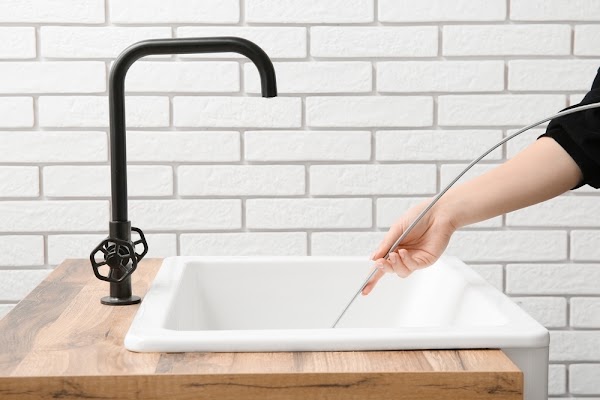
- Drain snake or wire hook: For tougher clogs, especially those caused by hair, a drain snake or suitable manual tool can sometimes help before considering urgent drain unblocking from a professional. Insert the snake into the drain and twist to hook onto the blockage, or use the hook on a wire to fish out hair. (Tip: Have a bucket handy to catch any mess.)
As you try these methods, stay safe: always wear rubber gloves and eye protection if using plungers or poking around drains. Avoid caustic chemical cleaners; they can eat through pipes and harm the environment. If a DIY fix doesn’t clear the blockage quickly, it’s best to stop and call a pro.
When to Call the Plumber: Emergency Drain Services
Some clogs can’t be fixed with boiling water or a plunger, and this is when Emergency Drain Unblocking from a qualified plumber may be necessary. If you notice any of these serious red flags, it may be time to contact a Blocked Drain Plumber for immediate Emergency Plumbing Services:
- Flooding or sewage overflow: Visible water backing up from toilets, sinks or outdoor drains means the blockage is severe. Better Health Victoria emphasises that sewage leaks pose health hazards. Don’t mop this up yourself; call a pro right away.
- Persistent, multiple blockages: If plunging one drain just causes another to back up, the problem is likely deeper in the main line and may require professional Emergency Drain Unblocking. The clog could be roots or a pipe collapse. Sydney Water notes that if more than one fixture is affected (and neighbours aren’t complaining), the issue is probably on your property.
- Backflow into pipes: If wastewater or blackwater is surging up through sinks or toilets without flushing, you’ve got an emergency on your hands. This isn’t only disgusting; it’s unsanitary and a sign that the sewer line is backed up.
- Duration and DIY attempts: If you’ve tried DIY methods for more than a few hours with no success, the clog is stubborn. A professional’s tools (like a power snake or jet blaster) may be needed.
Professional plumbers in Sydney, such as Seal Approved Plumbing, can provide emergency plumbing drain service when a serious blockage occurs. In fact, many advertise same-day and around-the-clock responses.
For example, they promise rapid emergency drain clearing by their 24/7 team at any hour. If you’re in doubt, it’s better to call sooner rather than later. A licensed plumber can diagnose the cause quickly (often with a sewer-camera inspection) and prevent the problem from getting worse.
Professional Drain Unblocking Techniques
When DIY methods fail, professional plumbers can use specialist equipment for Emergency Drain Cleaning, Drain Blockage Removal and difficult blockages that cannot be safely cleared at home. Here are some of the high-tech methods they use to clear blocked drains safely and permanently:
- CCTV Pipe Inspection: Modern plumbers often start with a camera when carrying out Emergency Drain Unblocking, particularly when the location or cause of the blockage is unclear. A waterproof CCTV camera is fed into your pipes to pinpoint exactly where and what the blockage is. Knowing the exact location means repairs are more targeted and less invasive.
- High-Pressure Water Jetting: If grease, silt or roots are causing the clog, a hydro-jetter is a plumber’s best friend. These machines blast water at thousands of PSI down the pipe, literally washing away stubborn blockages. High-pressure jetting not only clears the clog but also scours the pipe walls clean, reducing odours and future build-up. And unlike chemical cleaners, it uses only water.
- Augers and Root Cutting: For tough roots or very solid obstructions, plumbers use motorised drain augers or rotary root cutters. These tools can cut through tree roots that have pierced your pipes. Coupled with camera guidance, they remove root balls without breaking the pipe. Often this is followed by relining the damaged section to prevent regrowth.
- Hydraulic Drain Clearing: For collapsing or heavily silted drains, professionals might use specialised pumps or even vacuum trucks (especially for stormwater drains). These machines can suck out debris or water to reveal the blockage. Once accessed, the plumber can manually clear or repair the issue.
All this equipment might sound like overkill, but for major blockages it’s efficient and safe. In short, professional Emergency Drain Clearing is about accurate diagnosis and precision: plumbers identify the cause of the blockage rather than simply treating the symptoms.
|
Common Drain Problem |
DIY Fix (Home) |
Professional Solution |
|
Grease/Fat in kitchen sink |
Boiling water + dish soap (sometimes hot vinegar mix) |
High-pressure jetting to blast away grease |
|
Hair in shower/basin |
Plunger or manual snake/hanger hook |
Motorised auger or camera-guided snake with hydro-jet rinse |
|
Toilet paper build-up |
Plunger (toilet-specific) |
Heavy-duty auger or jetter followed by camera check |
|
Tree roots invading pipes |
(None effective long-term) |
Root cutter plus pipe relining or replacement |
|
Collapsed or broken pipe |
(None – call pros immediately) |
Pipe relining or sectional replacement |
The table above (based on industry practice) shows how some common clogs compare between quick home tricks and professional fixes. Notice that severe cases like roots or pipe collapse really do need the pros: no amount of baking soda will clear those.
Who’s Responsible for Clearing a Blocked Drain?
In Australia, who pays to fix a blockage depends on where the blockage is. If the clog is in your private plumbing, such as inside your home or in the pipe leading towards the street, it is generally the homeowner’s responsibility to arrange Blocked Drain Repair and professional clearing. Hills District’s own stormwater guidelines explicitly state that drains on private property remain the owner’s obligation. In other words, if water is backing up in your sink or toilet and the pipes belong to your house, it’s on you (or your plumber) to sort it out.
On the other hand, if the blockage is beyond your property boundary, say, in the main sewer line under the road, then the water authority or council might handle it. Sydney Water advises calling them if you suspect the blockage is in the public mains: for example, if you and your neighbours all have flooding at once. The rule of thumb: if only your drains are affected, it’s a private plumbing issue. For your safety (and theirs), Sydney Water urges homeowners to call a licensed plumber to clear private drain clogs.
So, when in doubt, contact both your plumber and the authorities. Seal Approved Plumbing can help identify whether it’s a “homeowner’s problem” or a public fault, and if it’s ours to fix, we’ll do it with a satisfaction guarantee.
Preventing Future Clogs
The best way to avoid Emergency Drain Unblocking is to prevent blocked drains from developing in the first place. A few simple habits can reduce the likelihood of needing Emergency Drain Unblocking and help keep your household plumbing flowing properly:
- Put strainers in drains: Catch hair and food particles with mesh screens in showers, tubs, and sinks. This will greatly reduce debris entering the pipes.
- Avoid grease in the drain: As Sydney Water stresses, never pour cooking fats, oils or grease down the sink. They cool and solidify, clinging to pipes and catching everything else, ultimately forming fatbergs. Instead, wipe greasy pans with paper towels and throw them in the bin.
- Mind what you flush: Only the “3 P’s” should go down the loo: pee, poo and toilet paper. Items like wet wipes, cotton buds, tissues or feminine hygiene products don’t dissolve and are major clog culprits. (Remember, even wipes labelled “flushable” often don’t meet Australian standards, so err on the side of the bin.)
- Regular cleaning: Periodic maintenance can help reduce the need for Residential Drain Unblocking by preventing grease, soap residue and other debris from building up inside your pipes.
- Trim overhanging trees: If you have sewer or stormwater lines near big trees, consider having your plumber inspect for roots every few years. Proactive maintenance, like periodic jet-cleaning, can prevent nasty root invasions later.
By keeping drains clean and avoiding risky flushables, you protect your home (and the environment). Consistent prevention means fewer late-night plumbing emergencies, more Aussie BBQs, and less stress all around.
Conclusion
A blocked drain doesn’t have to become a plumbing nightmare when you know when Emergency Drain Unblocking is necessary and how to respond safely. The key is quick, smart action. First, watch for warning signs: slow drains, gurgling toilets or backups are your cue to intervene. If the clog is minor, try safe DIY fixes: boiling water, a bit of bicarbonate and vinegar, or a good plunger. These remedies tackle everyday clogs at low cost. However, know your limits; safety comes first. Any flooding, sewage smell or multi-fixture backup is a serious emergency that may require professional emergency drain unblocking.
When DIY methods don’t work, or you simply can’t risk further damage, the professionals at Seal Approved Plumbing are available for Emergency Drain Unblocking, 24 Hour Drain Unblocking and Drain Blockage Removal in Hills District. Our licensed plumbers use state-of-the-art CCTV cameras, high-pressure jetters and root-cutting tools to clear even the toughest blockages. We’ll diagnose the problem, fix it efficiently, and advise you on keeping your pipes healthy. By combining vigilant home maintenance (strain out the hair and fat!) with expert help when needed, you’ll keep your plumbing flowing smoothly.
Don’t let a blocked drain ruin your day or night when professional Emergency Drain Unblocking can help restore normal drainage. Contact Seal Approved Plumbing today for fast, reliable emergency drain services in Hills District. Our team provides same-day drain unblocking, Emergency Drain Cleaning and 24 Hour Drain Unblocking whenever you need professional assistance. From simple unclogs to complex sewer repairs, we’re ready to restore your flow and peace of mind. Call us anytime; we’ll clear the clog and get your water flowing free, so you can get back to the good stuff.
FAQs:
What qualifies as a blocked drain emergency?
A blocked drain becomes an emergency when wastewater backs up, sewage overflows, multiple fixtures stop draining, or flooding threatens your property. These signs can indicate a serious blockage that needs prompt professional attention.
How can I safely unblock a drain myself?
For a minor blockage, try a plunger or another gentle method suitable for the fixture. Avoid harsh chemical cleaners, and if the blockage persists or wastewater starts backing up, contact a qualified plumber.
When should I call an emergency plumber for a blocked drain?
Call a Blocked Drain Plumber when you have sewage backup, flooding, foul smells, multiple blocked fixtures, or a blockage that will not clear. These situations may require Urgent Drain Unblocking to prevent further plumbing problems. Fast professional help can prevent further damage and hygiene risks.
Can I use chemical drain cleaners to clear blockages?
Chemical drain cleaners can be harsh on plumbing and may create safety risks, especially if products are mixed. For stubborn blockages, professional drain-clearing equipment is generally a safer and more reliable option.
How can I prevent blocked drains in the future?
Avoid putting fats, oils, grease, food scraps and unsuitable items down your drains, and use strainers to catch hair and debris. Regular maintenance can also help identify developing blockages before they become emergencies.
