If water is pouring from a pipe, a toilet is overflowing, or you can smell gas, the next ten minutes matter more than most people realise. Most of the damage in a plumbing emergency happens before the plumber arrives, and a few quick actions can stop a bad situation turning into an expensive one. Whether you’ve already called emergency plumbing services or you’re still working out who to ring, here’s what to do while you wait.
This guide is written for homeowners in Kellyville, Castle Hill, Rouse Hill and Norwest who are waiting on emergency plumbing services and want to know what actually helps in the meantime. The steps apply to any home in the Hills District and beyond.
Is It Actually an Emergency?
Treat it as an emergency if you can’t stop the water, sewage is coming back up through a drain, you can smell gas, or water is getting near power points or the switchboard. Those problems get worse by the hour, which is exactly what emergency plumbing services are set up for. A burst pipe at mains pressure can put a lot of water through a home in a short time, and every minute it runs adds to the repair bill.
A dripping tap, a slow drain, a running toilet or a hot water system that has stopped heating can usually wait for a booked visit. That’s worth knowing because after-hours callouts cost more than standard general plumbing work. If you’re unsure, ring and describe what you’re seeing. A good urgent plumber will tell you straight whether it needs someone tonight or can wait until morning.
Step 1: Get Everyone Safe
Water and electricity don’t mix. If water is dripping near a power point, light fitting or the switchboard, turn the power off at the switchboard, but only if you can reach it without standing in water. If you can’t, stay clear and tell the plumber when you call.
If you smell gas, get everyone outside first. Don’t flick switches, light anything or use your phone inside. From outside, call your gas network’s emergency line (in most of Sydney, that’s Jemena on 131 909), and ring 000 if the smell is strong. Once it’s safe, any repair to a suspect gas line has to be done by a licensed gas fitter in the Hills District, because gas fitting isn’t a DIY job in NSW.
Step 2: Stop the Water Before Emergency Plumbing Services Arrive
Most plumbing emergencies come down to water that won’t stop. Turning it off is the most useful thing you can do while you wait for emergency plumbing services, and it’s usually simple:
- Isolate the fixture. Toilets and basins have a small tap on the pipe behind or beneath them. Turn it clockwise until it stops.
- Shut off the main. The main tap is usually near the water meter, in a small in-ground box close to the front boundary. Turn it clockwise. If it’s stiff, don’t force it with a tool.
- Turn off the hot water system. With the mains off, switch the power off at the switchboard so an electric element doesn’t run dry. For a gas unit, turn the gas control to off.
- Drain the pressure. Open a cold tap at the lowest point of the house so the remaining water in the pipes can run out.
Find your main tap this weekend, before you need it. A burst pipe repair can’t start until the water is off, so it’s the first thing a plumber will ask about, and finding it in the dark with water spraying is much harder than finding it on a calm Saturday morning.
Step 3: Limit the Damage
Once the water is off and everyone is safe:
- Move furniture, rugs and electronics out of the wet area.
- Mop up standing water with towels and put buckets under any drips.
- Stay out from under a ceiling that’s sagging or bulging with water, and keep away from light fittings.
- Take photos and a short video of the damage and the source before you clean up. You’ll want them for your insurer.
That’s everything you can safely do before emergency plumbing services arrive. The rest is best left to a licensed plumber.
What to Do for the Most Common Emergencies
Burst or Leaking Pipe
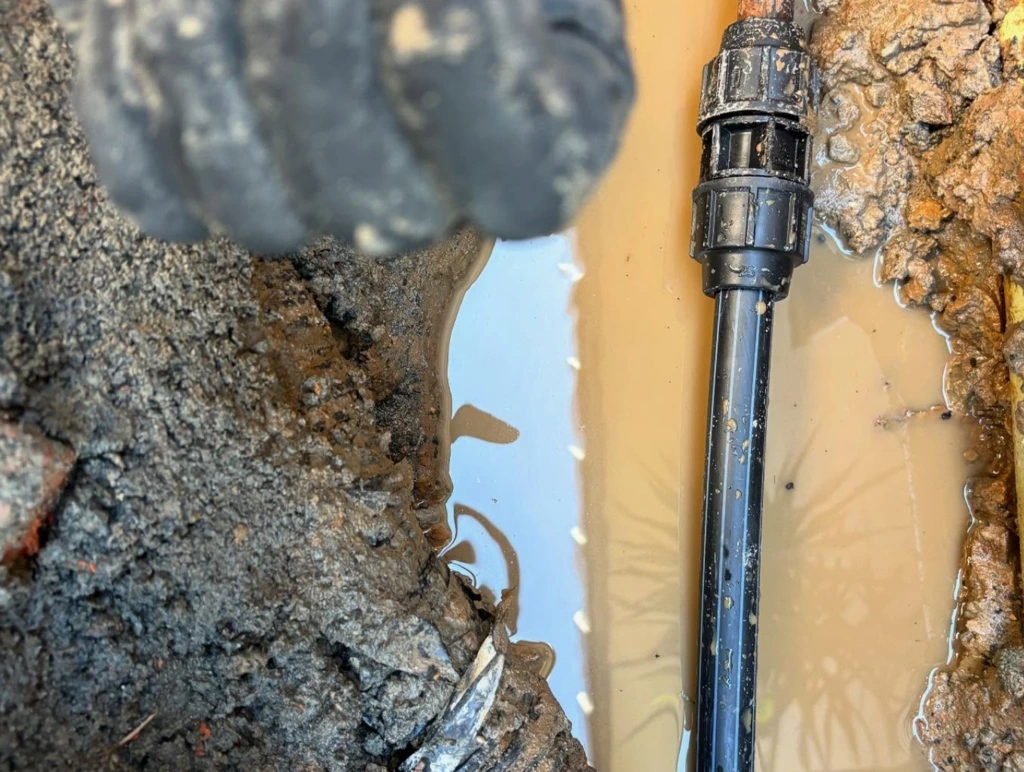
After the water is off, catch any drips and dry the area. A pipe clamp or self-amalgamating tape can slow a pinhole leak, but treat it as a stopgap, not a fix. A pipe that has failed once is often showing wider wear, so ask your emergency plumbing services provider to check the surrounding length before you trust it again. If you can’t see a leak but your water meter keeps moving with every tap off, you have a hidden leak. Mention it when you call.
Blocked Drain or Overflowing Toilet
Stop using water straight away: no flushing, showers, dishwasher or washing machine, because it all runs into the same drain line. For an overflowing toilet, close the small tap behind it. Skip the chemical drain cleaners. They can splash back, damage older pipes and make the job unsafe for whoever arrives next with tools.
Proper emergency drain unblocking, which good emergency plumbing services can usually do on the day, uses a jetter and a drain camera to find what’s causing the blockage instead of just punching through it. If sewage is inside, keep kids and pets out and wear gloves. The sewer main in the street is Sydney Water’s responsibility; everything inside your boundary is yours, and a plumber can tell you quickly which side the problem is on.
Hot Water System Leaking or Failed
No hot water is inconvenient. A tank pouring water is an emergency. Turn off the cold supply valve on the pipe feeding the unit, then the power or gas. Emergency plumbing services can make a leaking unit safe the same day, so you’re not stuck without a plan. Keep clear of any water running from the relief valve pipe, because it can be scalding. Whether it’s worth repairing or replacing depends on the age of the unit and the fault. Before you agree to repair a hot water system that’s more than ten years old, ask the plumber for honest advice on both options.
What Not to Do While You Wait
- Don’t keep using taps, toilets or appliances if a drain is blocked.
- Don’t attempt gas repairs or relight appliances after a gas smell.
- Don’t delay calling emergency plumbing services because a leak “looks small”. Slow leaks soak into walls and subfloors, and the damage is usually worse than it looks.
- Don’t force a stuck valve. A snapped valve turns a small problem into a bigger one.
How to Choose Emergency Plumbing Services in the Hills District
Not all emergency plumbing services are equal, so check three things before you commit.
Licence: In NSW, plumbers, drainers and gas fitters must hold the right licence for the work. You can confirm one in a minute using the NSW Government’s Verify a Licence tool.
Price: Ask whether you’ll get a fixed price before work starts or be charged hourly, and whether there’s a callout fee. Surprises on the invoice are the biggest complaint people have after an emergency.
Response: Plenty of businesses advertise a 24-hour plumber, but what matters is whether someone actually answers at 11 pm and gives you a realistic arrival time. Local matters, too. A team based in the Hills gets to Castle Hill or Kellyville faster than one crossing Sydney, which is why searching for emergency plumbing Hills District specifically usually gets you a quicker answer.
What to Tell the Plumber When You Call
The more detail emergency plumbing services have on the phone, the better prepared they arrive. Have these ready:
- Your address and how to get in (gates, dogs, side access)
- What happened, when it started and where the water is coming from
- Whether you’ve turned the water or power off
- Any gas smell or water near electrics
- Photos, if they ask for them
What Happens When the Plumber Arrives
When emergency plumbing services arrive, the order is always the same: make it safe, find the cause, then agree on the fix. Sometimes the emergency repair is temporary, such as isolating a damaged section, and the permanent job gets booked later as regular general plumbing. Ask what’s temporary and what’s permanent so there are no surprises, and ask for photos of what they found. They’ll help with an insurance claim.
Don’t Wait for a Plumbing Emergency to Get Worse
Shut off the water, keep everyone safe, document the damage and call. Those four steps cover most plumbing emergencies; they take less than ten minutes, and they make life easier for whoever provides your emergency plumbing services.
If you’re dealing with one in Kellyville, Castle Hill, Rouse Hill, Norwest or anywhere in the Hills District, contact our team. We provide emergency plumbing services with same-day response, and you’ll know the price before we start any work.
