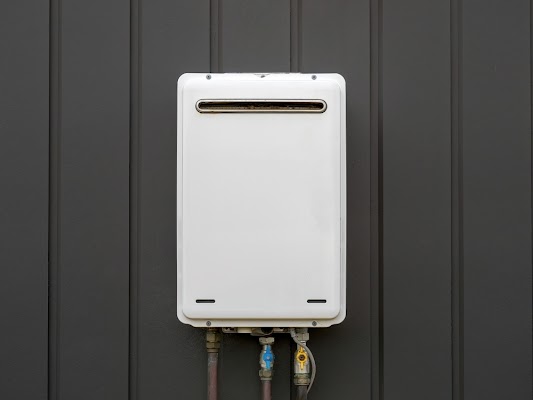
Nothing ruins a morning like a burst of cold water in your shower. Picture this: you’re yawning and half-awake, about to enjoy a steamy Aussie shower… when suddenly your hot tap just can’t compete with the morning chill. I’ve heard it all: “It’s like the water heater took the day off!” and trust me, you’re not alone. From faulty thermostats to leaky pipes, hot water troubles can strike at the worst time.
In this guide, I’ll walk you through the usual suspects (and sneaky DIY fixes) for hot water woes in Sydney’s north-west, plus when to call Seal Approved Plumbing for same-day hot water repairs, emergency hot water repairs, and professional hot water repair services. We’ll cover electric, gas and solar systems, sprinkle in some safety tips (did you know Aussie codes require water to be stored at 60°C and delivered at no more than 50°C), and give you clear steps to repair hot water system issues safely and get back to those warm showers fast.
Common Hot Water System Problems
Whether you need an electric hot water system repair, gas hot water system repair, or solar hot water system repair, the symptoms can sound similar regardless of the system you have the symptoms can sound similar: no hot water, fluctuating temperatures, strange noises, or even leaks. In older homes across Hills District, it’s common to see tempering valves go faulty or pipes corrode. Typically, you’ll notice issues like:
- No hot water or not enough hot water: suddenly your heater is stone-cold or runs out too quickly.
- Water runs hot and cold: unpredictable temperature swings in the shower or taps.
- Odd noises: banging, gurgling or popping sounds coming from the tank, often due to sediment build-up or heating elements.
- Leaks around the unit: drips or puddles near the pressure relief valve or tank base (warning signs that demand immediate attention).
- High energy bills: an unnoticed leak or failing element can quietly skyrocket electricity or gas use over time.
Many of these problems stem from age or wear. Plumbing codes in Australia actually anticipate some of this: hot water must be stored at 60°C to kill bacteria (like Legionella), and a temperature-control device must ensure taps deliver at no more than 50°C. If those settings are off, you’ll get scalding scalds or cold showers, neither of which we want!
Think of your water heater like a teapot: once it’s hot enough, a leak or faulty valve will spill the water everywhere. Fixing it fast prevents damage and saves you money. Let’s break down the culprits by system type:
Electric Hot Water System Repairs
For electric heaters, the good news is that many homeowners can identify the signs before they need to repair hot water system faults with professional assistance. But it’s a job for a qualified electrician or plumber safety first! Common electric water heater issues include:
- Tripped Circuit Breaker: If the breaker flips, there’s no power to the heater, no hot water. First, check the switchboard and reset any tripped breakers. Sometimes it’s just an overload. If it trips again, your heater’s element or wiring may be faulty and needs professional replacement.
- Faulty Heating Element: Elements burn out over time. If water is lukewarm or cold despite power, the element may be dead. Testing and replacing the element (after switching off power!) usually does the trick.
- Thermostat Failure: The thermostat controls heat. If broken, water can overheat (tripping safety cut-offs) or not heat at all. Reset buttons are often on the tank; try those first before calling an expert.
- Sediment Buildup: Hard water leaves minerals at the tank bottom. Over time, this creates popping noises or reduces capacity. Flushing the tank (draining a bucket of water from the tap to clear sludge) can help restore performance. Consider an annual flush to avoid this buildup.
- Leaking Relief Valve or Tank: Corroded pressure relief (TPR) valves or a rusted tank base will drip. If it’s the valve, it can often be replaced; a leaking tank might mean replacing the heater if it’s old (8+ years is often the limit).
Acting early to repair hot water system faults can prevent more extensive damage and help keep repair costs down. If you try to reset breakers or thermostats and nothing changes, or if you’re uneasy tinkering with electricals, call our licensed electricians. We provide professional electric hot water system repair and hot water service repairs daily, ensuring every repair is completed safely and complies with Australian standards.
Gas Hot Water System Repairs
If you need to repair hot water system problems involving a gas unit, safety should always come first because gas appliances require licensed professionals. But you’ll often see these classic signs:
- Pilot Light Out or Flame Issues: If your pilot light has gone out, the unit won’t heat. Relighting a pilot requires caution, always following the manufacturer’s instructions and ensuring good ventilation. If the pilot won’t stay lit, the thermocouple (safety sensor) could be faulty. Don’t force it; call a gas plumber, as gas leaks are dangerous.
- Gas Supply Problem: Check that the gas meter valve is open and no other gas appliances are out. A drop in supply pressure, or a blocked gas line and your heater will underperform.
- Blocked Flue or Ventilation: A clogged flue can snuff out a burner flame. Ensure the venting is clear. If there’s soot or smell, shut off gas and get a professional to inspect.
- Faulty Gas Control Valve or Burner: If the burner isn’t igniting or only heating partly, the gas valve may be stuck, or the burner assembly needs cleaning. These fixes require a licensed gas fitter.
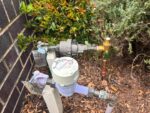
When a gas heater stops delivering hot water, some DIY checks can be done: confirm other gas appliances still work. If they do, the issue is isolated to the heater. Most Sydney gas repairs end up needing poor connections, or an old heater often requires parts replacement. Rest assured, our gas hot water system repair specialists provide reliable hot water repair services across the Hills District while ensuring every repair meets current Australian regulations.
Solar Hot Water System Repairs
Knowing when to repair hot water system components in a solar setup can help maintain reliable hot water throughout the year.
- Weak or No Hot Water: Solar relies on the sun and a pump (if active). On a dull day, supplemental elements or gas boosters should kick in. If not, check the pump. A dead pump or controller means no circulation; testing voltage at the pump is one DIY step, but often these need a service tech.
- Collector Leak or Damage: Cracked panels or pipe leaks (often at fittings) can drip. Look for water around panel joints or rust. Most panel issues require professional resealing or replacement of valves and collectors.
- Anode or Tank Corrosion: Solar tanks have sacrificial anodes that wear out. If your system is older, the anode might be spent, allowing tank rust and leaks. A plumber can check the anode rod and replace it if needed.
- Bypass or Check Valve Failure: These valves prevent hot-cold mixing or allow boost heating. A stuck valve can introduce cold water unexpectedly. Replacing small valves is usually straightforward for a pro.
- Boost Heater Issues: Many solar systems have an electric (or gas) booster for cloudy days. If that element or gas burner fails, you’ll feel the loss of hot water. Troubleshoot similar to the electric/gas points above for those components.
Solar systems require seasonal maintenance, like clearing shading debris and checking glycol (on closed loops). For repairs, safety is key. Many systems sit on roofs or have pressurised panels, so get a licensed plumber. In Hills District, we provide professional solar hot water system repair services and know exactly how to restore your system safely and efficiently.
| System Type | Common Faults | Maintenance Tips |
| Electric | Tripped breaker; burnt heating element; thermostat issues; tank leaks | Check breaker; flush tank yearly; test TPR valve |
| Gas | Pilot light out; faulty thermocouple; gas valve failure; blocked flue | Relight pilot carefully; inspect vents; service burner annually |
| Solar (Hybrid) | Pump failure; panel leaks; sacrificial anode corrosion; boost element issues | Clean panels regularly; test pump flow; check booster operation |
Emergency Repairs & Maintenance Tips
Sometimes repairing hot water system issues requires same-day hot water repairs or emergency hot water repairs, especially when you’re left without hot water unexpectedly. Seal Approved Plumbing offers 24/7 emergency hot water repairs in Hills District. If you’ve got no hot water at all, call us immediately. We can often troubleshoot on the spot or install a temporary fix so you’re not left shivering.
In any case, a bit of preventive maintenance goes a long way:
- Check Your Temperature Settings: Make sure your storage heater is set to at least 60°C (prevents harmful bacteria) and the delivery is no higher than 50°C. All new heaters require a tempering valve for 50°C max flow. This avoids scalds but keeps the tank hot enough internally.
- Test Relief Valves: Press the TPR (temperature-pressure relief) valve lever on your tank every few months. You should feel a burst of hot water out of the discharge pipe. No flow could mean a stuck valve that has to be replaced.
- Flush the Tank: At least once a year (or more in hard-water areas), drain a bucket from the tank to clear sediment. This prevents noise and restores heating efficiency. It’s messy work, but worth it to avoid element burnout.
- Inspect for Leaks: Look around the base of the tank and pipes for any drips or rust. Even slow leaks should be fixed immediately to prevent water damage. Leaks often come from corroded fittings or a failed heater.
- Listen for Strange Noises: Kettling sounds or popping indicate sediment or trapped air. An unusually high water bill can also hint at a hidden leak. Never ignore these signs; they save you from catastrophic failures.
Remember, addressing small issues early can help you repair hot water system faults before they develop into costly breakdowns. Regular hot water system maintenance not only extends your heater’s lifespan but also helps prevent expensive hot water system repair work in the future. For example, an ageing sacrificial anode (which protects your tank) should be replaced every few years. Our team can advise schedules like this.
If a DIY check feels too fiddly, just give us a call. Our licensed plumbers will ensure your hot water system complies with Australian standards and local plumbing regulations, helping keep your system safe, efficient, and reliable for years to come. We offer professional hot water service repairs, preventative maintenance, and expert advice to keep your system operating efficiently year-round.
Conclusion
Dealing with a dodgy hot water system can be a real headache, but knowing when to repair hot water system issues early can save you time, money, and unnecessary stress. We’ve covered the typical symptoms of a failing water heater, from tripping breakers and blown heating elements in electric systems to pilot light quirks in gas units, and solar panel or pump hitches in solar setups.
In each case, early diagnosis (checking breakers or pilots, listening for strange sounds, spotting leaks) and timely fixes can save you from a frosty surprise. Regular maintenance like flushing out sediment and testing relief valves will keep your system humming efficiently and safely. Remember, Australian regulations require hot water to be stored at 60°C and delivered at no more than 50°C, so we always ensure your system is compliant while fixing it.
If the problem is beyond a quick reset or you just want peace of mind, give Seal Approved Plumbing a call. Our team knows North-West Sydney’s plumbing inside out. We offer friendly, on-time service and stand behind our work with guarantees. Don’t let a cold shower dampen your day. Contact us for expert same-day hot water repairs, professional hot water repair services, and reliable hot water service repairs anywhere in the Hills District. We’ll get the hot water flowing again so you can get on with enjoying life with no worries at all.
FAQs:
1. Why is my water heater not working at all?
A hot water system may stop working due to a tripped circuit breaker, faulty heating element, extinguished pilot light, or a malfunctioning thermostat. If basic checks don’t restore hot water, contact Seal Approved Plumbing for a professional diagnosis and repair.
2. How do I fix a leaking hot water system?
Start by turning off the water supply and identifying where the leak is coming from. While minor valve or fitting leaks can sometimes be repaired, a leaking tank often requires professional attention or replacement.
3. Can I repair my hot water system myself?
You can safely perform simple checks like resetting the breaker or relighting the pilot light if instructed by the manufacturer. However, most hot water system repairs involving electricity, gas, or plumbing should always be completed by a licensed professional to ensure safety and compliance.
4. How often should I service my hot water system?
Most hot water systems should be professionally serviced at least once a year. Regular maintenance helps improve efficiency, extend the unit’s lifespan, and reduce the risk of unexpected breakdowns.
5. Who do I call for emergency hot water repair in Hills District?
If you’ve lost hot water or have a leaking system, contact Seal Approved Plumbing for fast emergency hot water repairs in Hills District. Our experienced team provides prompt, reliable service for electric, gas, and solar hot water systems.
