
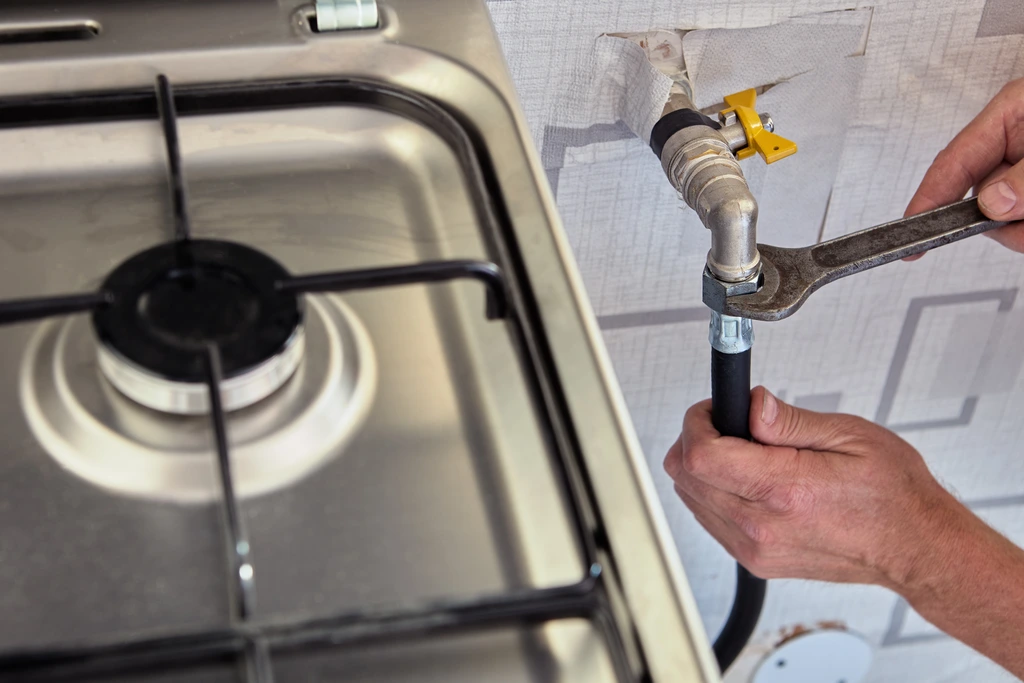
Gas appliance installation looks simple from the outside: slide the cooktop in, connect the hose, light the burner. In reality, it is one of the few household jobs where a small mistake can lead to a gas leak, carbon monoxide exposure or a voided insurance claim. In NSW, it is also licensed work, so the person connecting your appliance has to be properly authorised.
This guide explains what safe gas appliance installation involves, which checks should happen before you use the appliance, how gas leak detection works and what to look for when hiring. If you’re weighing up licensed gas fitting services in the Hills District, it will show you what a proper job looks like.
Why Gas Appliance Installation Needs a Licensed Gas Fitter
In NSW, you can’t legally connect a gas appliance to a fixed gas supply yourself, and a handyman or general builder can’t either. That covers cooktops, ovens, heaters, hot water units, barbecues and gas fireplaces. Professional gas appliance installation must be done by someone holding the right licence or authorisation.
The rules exist because gas work involves pressure, combustion and ventilation, and errors in any of them are hard to see. A licensed gas fitter works to the Australian gas installation standard (AS/NZS 5601.1) and must provide a Certificate of Compliance when the job is done.
Check the licence before work starts. The NSW Government licence check lets you search by name or licence number and confirm the licence covers gas work. It takes about a minute, and it’s the most useful thing a homeowner can do before approving a quote.
What Professional Gas Appliance Installation Actually Involves
A proper job is more than connecting a hose. Here is the usual sequence:
- Assessment: The fitter checks your gas type (natural gas or LPG), the existing pipework, the meter or cylinder capacity and where the appliance is going.
- Compatibility: The appliance has to match your gas type. Many are supplied for natural gas and need a conversion kit for LPG, and that conversion is gas work too.
- Positioning: Clearances to walls and cabinetry, ventilation and flue routes are worked out before anything is fixed in place.
- Connection: The appliance is connected with rigid pipework or an approved flexible hose, with an accessible isolation valve nearby.
- Testing: The fitter runs a tightness test, checks operating pressure and tests the flame.
- Handover: You get a demonstration, the manuals and the compliance paperwork.
Skipping any of these steps is how problems end up hidden behind a wall or under a benchtop for years. Gas connection and installation done this way also protects your warranty, since manufacturers often require a licensed fitter. Gas appliance installation that follows every step is also far easier to sell on, because the paperwork proves it.
Gas Installation Safety Checks That Should Happen Before You Use the Appliance
Good gas appliance installation ends with a set of gas installation safety checks. Ask your fitter to walk you through these:
- Leak (tightness) test: pipework and joints are tested under pressure to confirm no gas is escaping.
- Regulator and pressure: the appliance receives the correct operating pressure, not too high and not too low.
- Ventilation and flue: combustion gases have a clear way out, and there is enough fresh air for the appliance to burn cleanly.
- Clearances: the appliance sits at a safe distance from combustible materials like cabinetry, curtains and shelving.
- Flame check: a steady blue flame is what you want. Yellow or orange flames and soot point to poor combustion.
- Isolation valve: you should know where it is and be able to reach it quickly.
These gas appliance safety steps add little time to a standard job, and they are the difference between an appliance that is safe and one that only appears to work.
Gas Leak Detection: Signs, Tests and What to Do
Any gas appliance installation can develop a leak over time, through a worn hose, a loose fitting or movement in the pipework. Gas leak detection starts with your nose. Suppliers add a rotten-egg odour to gas so leaks are noticeable. Other warning signs include:
- A hissing sound near a pipe, hose or appliance
- A gas meter dial that keeps moving when every appliance is off
- Yellow or orange burner flames, or black soot around an appliance
- Headaches, dizziness or nausea while a gas heater is running, which can signal carbon monoxide
Fitters use electronic gas detectors, leak detection fluid and pressure tests to find a leak precisely. That is far more reliable than the soapy-water guesswork some people try at home.
If you smell gas, don’t touch light switches or use a flame. Open doors and windows, turn the gas off at the meter or cylinder if it’s safe to do so, and leave the house. Then call your gas network’s emergency line, or 000 if the smell is strong or anyone feels unwell. Don’t go back inside until you’ve been given the all-clear.
Common Gas Appliance Installation Mistakes to Avoid
- DIY connections: Even a “simple” hose swap is regulated work.
- Reusing old flexible hoses: Hoses perish with age, so an old one shouldn’t be moved to a new appliance.
- Buying uncertified appliances: Look for an Australian gas certification mark, such as the AGA mark, before you buy.
- Blocking ventilation: Boxing in a heater or building cabinetry around a flue creates a combustion risk.
- Mismatched gas type: A natural gas appliance running on LPG without conversion is unsafe.
- Skipping the paperwork: No Certificate of Compliance means no proof the job was done properly.
Each of these turns gas appliance installation from a safe upgrade into a hidden risk.
Choosing a Licensed Gas Fitter in the Hills District
Not every plumber is the right person for gas work. Before booking gas appliance installation, ask a licensed gas fitter Hills District homeowners can trust a few direct questions:
- Do you hold a current NSW gas fitting licence? (Then verify it yourself.)
- Will I receive a Certificate of Compliance?
- Is the quote written and itemised, including any pipework changes?
- Have you installed this type of appliance before?
- What happens if something goes wrong after the job?
When comparing gas fitting services Hills District providers offer, look at the testing and paperwork included, not just the headline price. The cost of gas appliance installation depends on the appliance, its position and whether new pipework is needed. A like-for-like swap is usually quick, while moving a cooktop to a new wall or adding an outdoor line takes longer. If the job also involves a hot water system, a bathroom renovation or pipe changes, a team offering professional plumbing services can handle it in one visit instead of you coordinating several trades.
Conclusion
Safe gas appliance installation comes down to four things: a licensed fitter, the right appliance for your gas type, proper testing before use and paperwork that proves the job was done correctly. Gas installation safety checks, ventilation and clearances protect your household day to day, and knowing the signs of a leak means you can act quickly if something changes. Choosing professional gas appliance installation over a shortcut costs a little more upfront and removes a risk you would otherwise carry for years.
If you’re planning gas appliance installation in the Hills District, our licensed team can help with gas connection and installation, gas line fittings, gas leak detection and safety checks, along with hot water systems, bathroom plumbing and emergency plumbing when something can’t wait. Contact us today to book a licensed gas fitter and get a clear, written quote before any work starts.
