
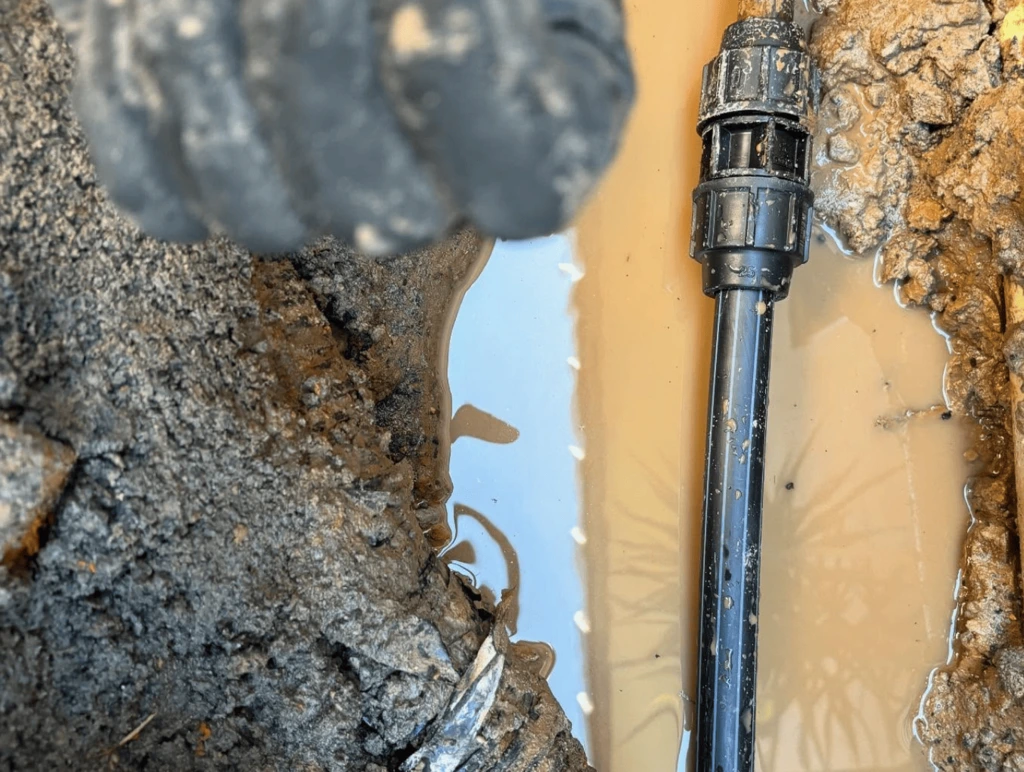
Water rarely bursts from a pipe at a convenient time. You might find a puddle spreading beneath the kitchen sink before work, discover a damp patch on the hallway ceiling after dinner or notice water running across the driveway when nobody has used an outdoor tap. A burst pipe repair suddenly becomes a decision you need to make quickly.
Your first thought might be to stop the leak and deal with the damaged pipe later. That can be reasonable in some circumstances, but a patch that holds for an hour does not tell you whether the pipe is sound. A cracked connection, a corroded section and a pipe damaged during landscaping can all produce similar symptoms while requiring different repairs.
For Hills District homeowners, the property’s age and layout can complicate matters. Older homes around Baulkham Hills and Castle Hill may have ageing pipework, while newer properties in Kellyville and Box Hill can develop faults around fittings or connections. Knowing what separates a short-term measure from a lasting repair helps you avoid spending money twice.
Burst Pipe Repair: When Is Replacement Worth It?
Imagine discovering a split in the exposed pipe beneath your laundry trough. The surrounding pipe looks sound, the damage is confined to one small area, and there are no signs of previous leaks. Replacing that section may be all the plumbing needs.
Now consider a different house. The owner has already paid for two repairs along the same ageing water line, and another leak has appeared near the previous work. Fixing the newest split might restore the supply, but it would leave the condition of the remaining pipework unanswered.
These situations illustrate why the visible break is only part of the story. Before recommending burst pipe repair, a plumber needs to examine the damaged section, check the surrounding material and investigate what caused the failure.
Before agreeing to a repair, ask what needs replacing and why. If a larger section is recommended, request an explanation of the additional damage or risk that justifies the work. A sensible recommendation should reflect the pipe’s condition, not just the size of the visible leak.
Is a Burst Pipe Temporary Fix Enough?
If you’re searching for how to fix a burst pipe, start by isolating the water supply if it is safe to do so, then arrange a professional assessment before attempting a permanent repair.
A temporary fix for a burst pipe can buy you time, especially when water is escaping faster than you can contain it. With burst pipe repair, the priority is to stop the water supply and limit damage, not attempt a permanent repair before the pipe has been assessed.
Start with the main water isolation valve, usually located near the water meter. Turn it off if you can reach it safely. An individual isolation valve may work for a leaking fixture, although a damaged main supply line can require a different response.
Once the water is off, concentrate on keeping people safe and limiting damage.
- Move belongings out of reach. Lift electronics, rugs, stored boxes and furniture away from the affected area if it is safe to enter.
- Catch accessible drips. A bucket beneath a leaking pipe can collect residual water without disturbing the damaged section.
- Protect the surrounding area. Keep people away from slippery floors and avoid entering rooms where water may have reached electrical fittings.
- Take photographs. Record the damaged pipe and affected surfaces before moving belongings or arranging restoration.
- Explain what happened. Tell the plumber when you noticed the leak, whether you’ve isolated the water supply, and whether it’s happened before.
Repair tape and clamps can seem like an easy fix. Their suitability depends on the pipe material, pressure and location of the damage, so a product that works on one pipe may be inappropriate for another.
Avoid cutting pipework, forcing fittings together or testing a makeshift patch by turning the water back on. If water continues flowing after you close the valve, or you cannot reach it safely, seek urgent assistance through an appropriate emergency plumbing service.
Emergency Plumber Hills District: When Should You Call?
Not every leak announces itself with water gushing across the floor. Sometimes the first clue is a skirting board that has started swelling, paint lifting beside a doorway or a musty smell that persists despite cleaning.
These signs can point to moisture trapped behind a wall or beneath flooring. They can also have other causes, including roof leaks and condensation, so a damp patch alone cannot confirm a plumbing fault.
An emergency plumber Hills District residents contact should know about the problem promptly when you notice any of the following:
- Water continues escaping despite attempts to isolate the supply.
- A ceiling is bulging, dripping or showing rapidly spreading stains.
- Water is entering several rooms or collecting beneath flooring.
- Water pressure drops sharply alongside unexplained dampness.
- Several leaks appear within a short period.
- You cannot isolate a broken pipe without entering an unsafe area.
Electrical hazards change the situation immediately. If water may have reached a switchboard, power point, or electrical appliance, stay clear and get appropriate professional help. Never walk through standing water to reach electrical controls.
For emergency burst pipe repair, explain what you have observed rather than guessing at the cause. The location of the moisture, any change in water pressure and whether the leak worsens when water is being used can help a plumber investigate the problem.
Pipe Replacement vs Repair: Compare Costs
The first quote you receive may not reflect the final cost of burst water pipe repair. Replacing an exposed pipe section can be straightforward, while a leak beneath bathroom tiles may involve access work and separate restoration costs.
When arranging burst pipe repair, compare the condition of the plumbing, the work required and the likelihood of another leak. That is why you should judge pipe replacement vs repair on more than the initial price alone.
| Situation | Possible solution | What deserves attention |
| A single split in sound pipework | Localised repair | Whether the surrounding pipe remains reliable. |
| Corrosion across several sections | Partial or wider replacement | How far the deterioration extends. |
| Repeated leaks near one fitting | Investigate the underlying cause | Whether pressure, movement or a faulty connection contributed. |
| Damage caused by an impact | Repair or section replacement | Whether nearby pipework was affected. |
| A leak beneath a concrete slab | Targeted repair or replacement | Access requirements and the likely disruption. |
| Several failures in ageing pipework | Consider broader replacement | The cost of future repairs and repeated access work. |
The table offers a starting point, not a diagnosis. A plumber needs to inspect the actual damage before confirming which option suits the installation and provides a reliable burst pipe repair.
Consider a leak beneath a tiled laundry floor. A small repair might seem cheaper until you factor in access and the possibility of reopening the same area if another weak section fails. Replacing a longer run could cost more initially but may reduce the likelihood of paying for similar work again.
Request a written quote that identifies the work, testing and access costs. Check whether tiling, painting, cabinetry repairs and water-damage restoration are included or need separate arrangements. Comparing those details gives you a clearer picture of the actual expense.
Why Hills District Homes Can Hide Pipe Leaks
A pipe buried beneath a lawn presents a different challenge from one visible inside a garage. Across the Hills District, the mix of established homes, newer developments and landscaped outdoor areas affects how easily a leak can be found.
In older properties around Baulkham Hills and Castle Hill, previous plumbing repairs can provide useful clues. A new leak near an earlier repair deserves a closer look at the surrounding pipework, particularly if the same line has developed problems more than once. Age alone, however, is not a reason to replace an otherwise sound pipe.
Newer homes in Kellyville, Box Hill and Rouse Hill have their own potential trouble spots. Fittings and connections can fail, and landscaping or renovation work may accidentally damage buried services. A relatively recent construction date does not rule out a plumbing fault.
Rain adds another complication. After a wet spell, saturated soil can conceal the difference between a leaking supply line and ordinary surface runoff. Once the ground dries, an isolated patch of damp soil or an unusually lush strip of lawn may become easier to spot.
Neither sign proves that a water pipe has burst. Irrigation faults and drainage problems can produce similar patterns, so digging without locating the source can create unnecessary expense or damage other services.
A burst pipe repair may also require more planning when the damaged section sits beneath paving, a driveway or an established garden. Tell the plumber about recent excavation, changes in water pressure and unexplained increases in water use. Those details can help narrow the investigation before access work begins.
Choosing a Plumber for Burst Pipe Damage
When choosing a burst pipe plumber Hills District homeowners can rely on, check that the tradesperson holds the appropriate NSW licence for the work involved. The NSW Government’s plumbing licence guide explains the licensing requirements for plumbing work. For burst pipe repair, ask whether the quote covers testing and access costs, and clarify whether insurance and workmanship warranties apply.
When comparing general plumbing services, find out who will handle damaged tiles, plasterboard or cabinetry and whether restoration is included in the quote. A clear breakdown helps you compare contractors based on the work proposed, not just the price.
Making the Right Call on Burst Pipe Repair
A temporary patch may contain a leak, but it cannot confirm whether the surrounding pipework is still reliable. The right burst pipe repair depends on the extent of the damage, the condition of the pipe and the cause of the failure. Isolate the water supply if safe, protect your belongings and arrange an assessment to determine whether a localised repair or replacement is appropriate.
If you have a burst pipe or need advice about the next steps, you can contact Seal Approved Plumbing to discuss the issue and arrange assistance for your Hills District property.
